Sin Hong Choon Tea Museum in Dadaocheng, Taipei (新芳春茶行)
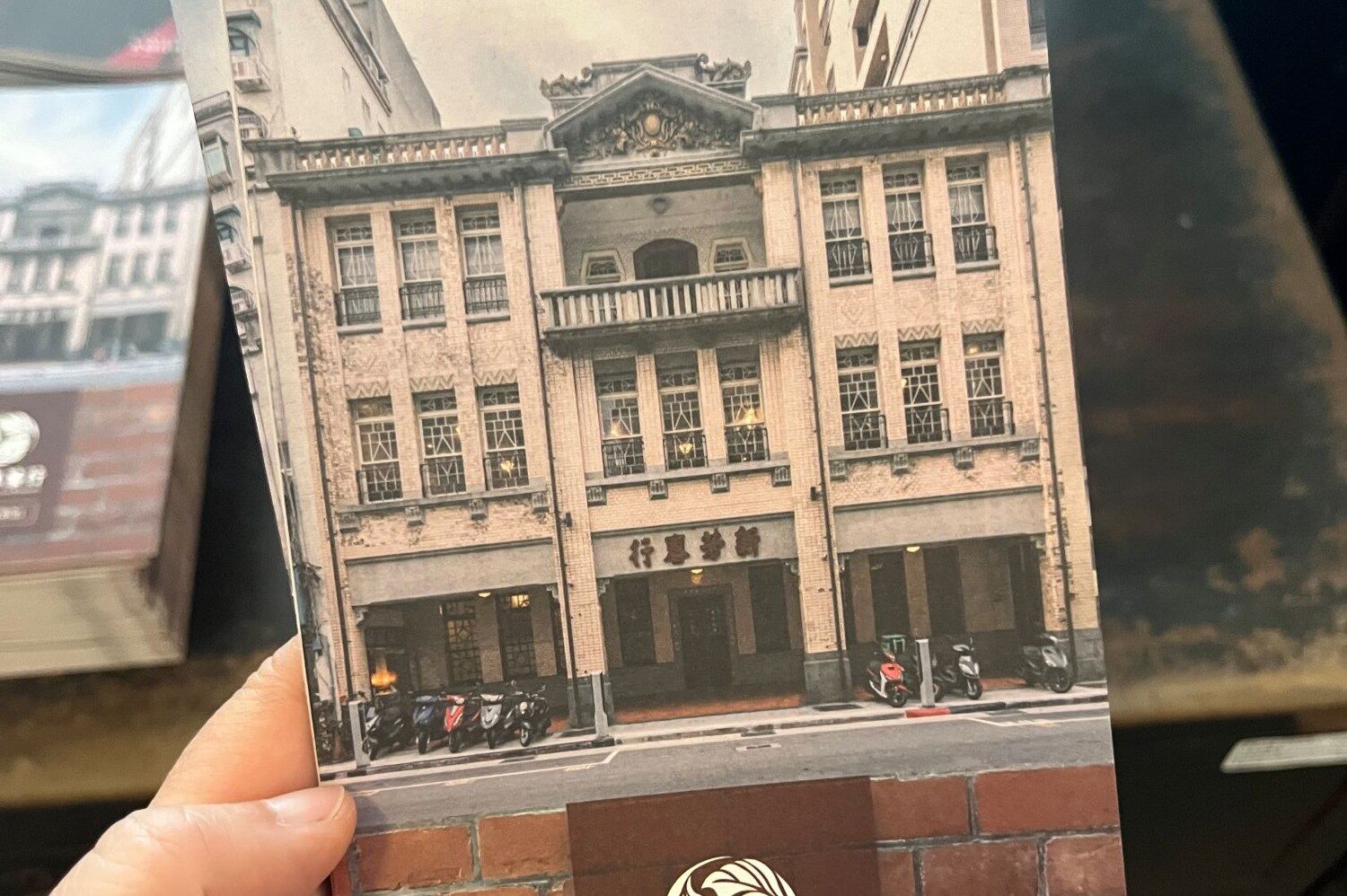
If you’re exploring the Dadaocheng/Dihua Street area (大稻埕/迪化街) and want to learn more about Taiwanese history, I highly recommend adding the Sin Hong Choon Tea Museum (新芳春茶行) to your itinerary.
This free museum was built in 1934 as a tea factory and family home. Inside, you can see displays of old equipment, learn about Taiwan’s tea trade, and admire the well-preserved building, which mixes Taiwanese and Western design.
I’m Grace, a native of Taiwan now living in the United States. I left when I was young, and back then I didn’t really appreciate Taiwan’s history. Now I return to Taipei every year to visit family, and I find myself wanting to understand it. That’s why I had this place on my list before I even landed. I visited on a hot summer morning in 2025.
Visiting Sin Hong Choon Tea Museum (新芳春茶行)
How To Visit
- Location link in Google Maps: Sin Hong Choon (No. 309, Minsheng West Road, Datong District)
- Nearest MRT: Daqiaotou (大橋頭站 O12), about 8 minutes on foot. Shuanglian (雙連站 R12) also works, but that walk is closer to 15 minutes.
- Hours: Wednesday to Sunday, 10 AM to 6 PM (closed Mondays and Tuesdays)
- Admission: Free. Individual visitors do not need a reservation. Groups of 15 or more should book three days ahead.
- Which floors you can see: The first and second floors are open to visitors. The third floor, where the family lived, only opens at certain times with a guide.
- Facilities: There is an elevator, an accessible restroom, and seating if you need to rest.
- Visit time: Approx. 1 hour
A Brief History Of Tea Trading In Taiwan
Tea has played a big role in Taiwan’s history. Back in the late 1800s and early 1900s, tea was one of the island’s main exports, and “Formosa Oolong” (台灣烏龍茶) became popular in Europe and North America.
Most of the tea was grown in northern Taiwan, especially around Muzha (木柵), Nangang (南港), and the hills of Hsinchu (新竹). Once harvested, it was transported to Taipei for manufacturing and trading.
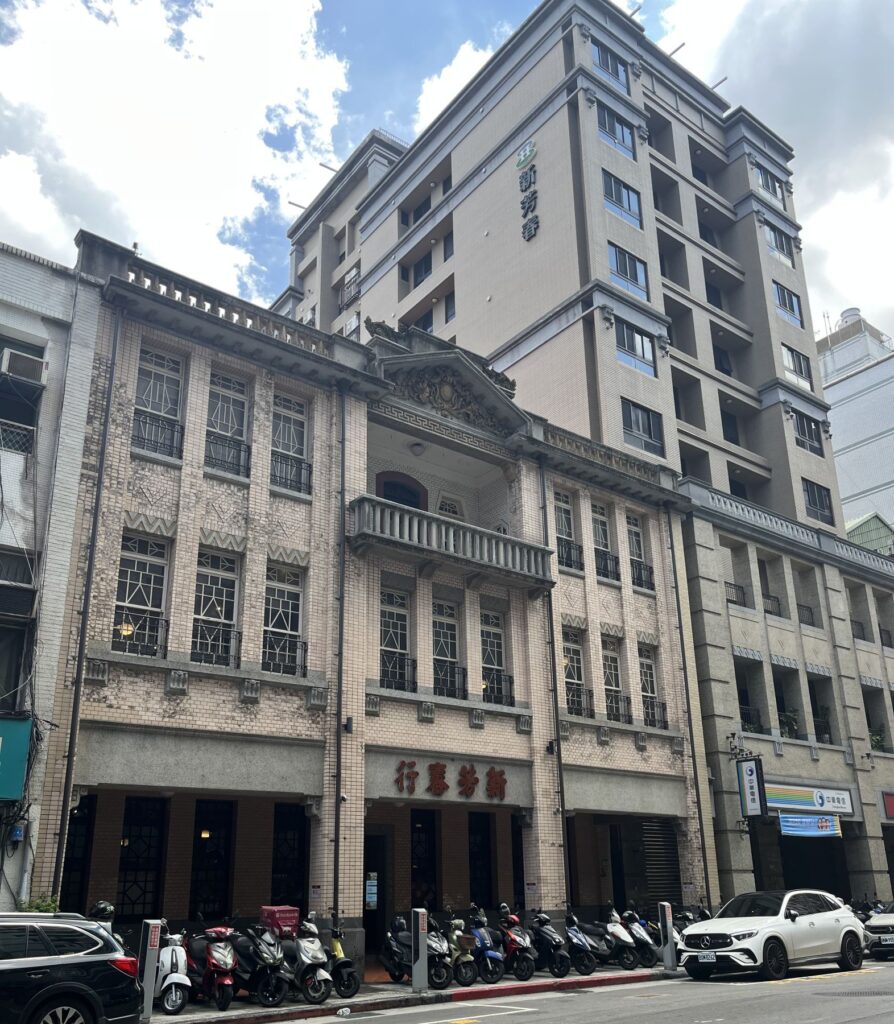
Sin Hong Choon (新芳春茶行) was built in 1934, when Dadaocheng District in Taipei was the center of Taiwan’s tea trade. It was founded by a wealthy tea merchant family, and the location served both as a tea factory and a residence. The building was designated a Taipei City historic site in 2009 and opened to visitors in 2016 after restoration.
Next door, there’s a tall building with “Sin Hong Choon” written on it. Seeing the two side by side tells you how well the business must have been doing, for the family to expand and put up a modern structure right beside their old house.
Architecture and Layout
I grew up in an apartment building in Taipei, so I had never been inside an old house like this one. Seeing a 三進 (three-section) building from the inside was the main reason I came.
The first thing I noticed was how solid it felt. The brick and stone are thick and heavy, and nothing creaks when you walk. That’s not what I’m used to in the wooden houses here in the US.
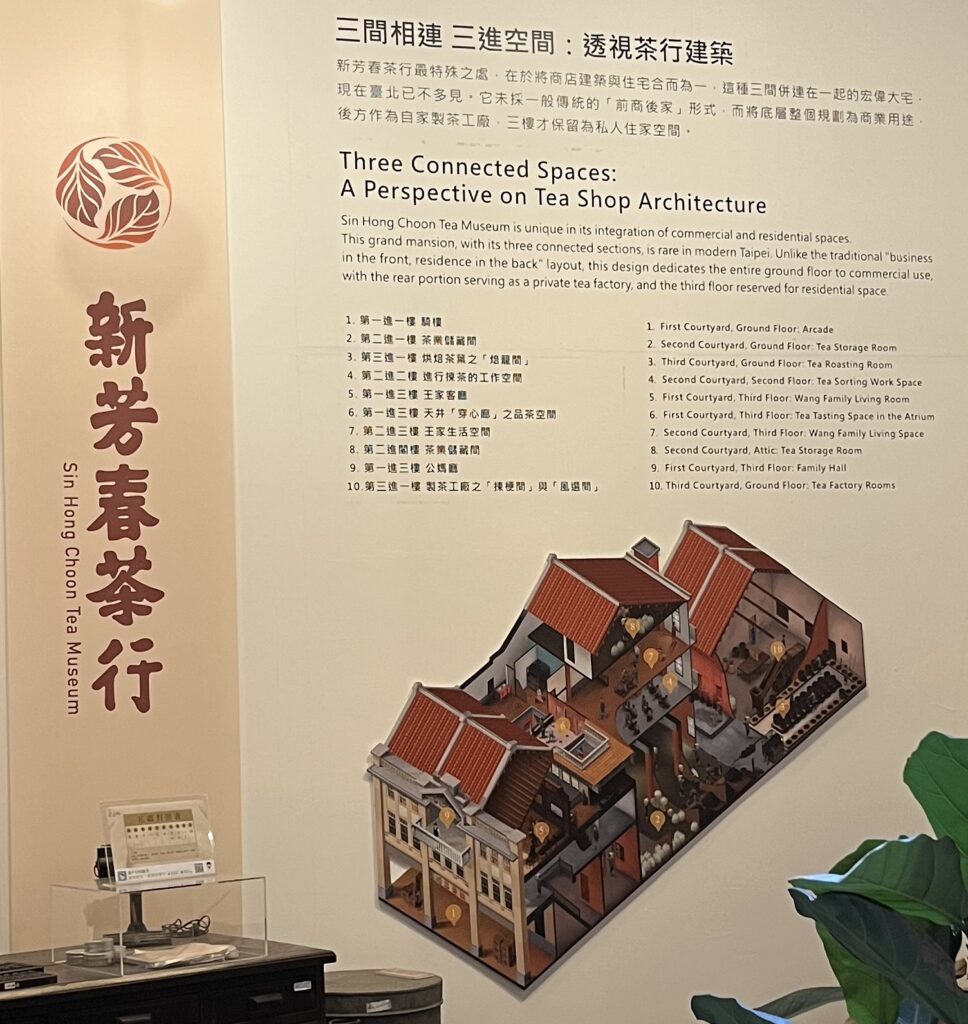
The house was built in the “three connected sections” (三進) style, which was common in Taiwan at the time. This meant the building was arranged in three parts, connected one after another from the front to the back.
A typical three-connected-section layout had the front area for business, the middle section for daily family life, and the back section for storage or quieter living spaces.
Sin Hong Choon arranged its space differently. Instead of the usual “business in the front, residence in the back” style, the entire ground floor and second floor were used for business, while the family lived on the third floor.
Out of three floors, the family used only the top one. The rest of the house was for the tea business. As I walked through, I kept imagining myself as one of them, helping with the tea and living here. It makes me wonder what it was like to live above your own factory, with work going on right below you all day.
You can get a sense of this layout in the photo below.
If you like photography, this is a great spot to capture old-time style photos, with the red brick walls, wooden windows, and vintage details as your backdrop.
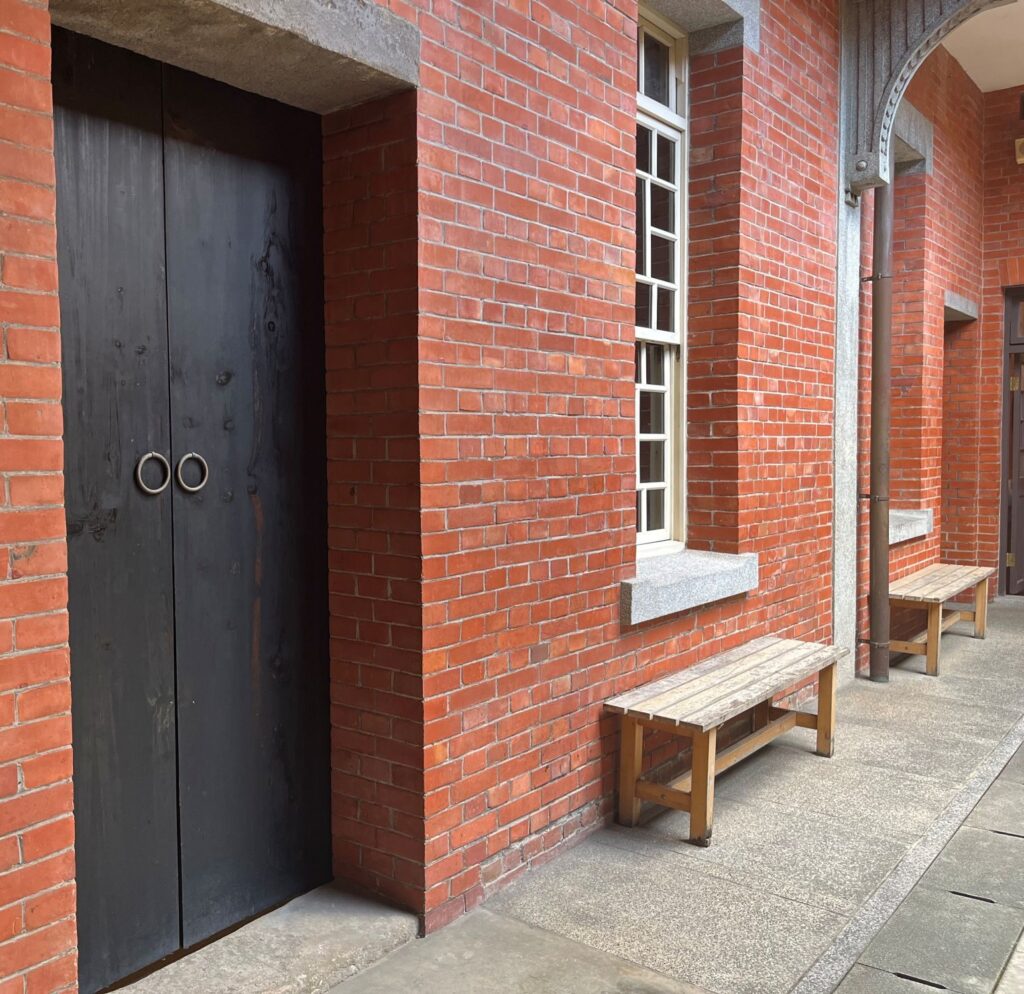
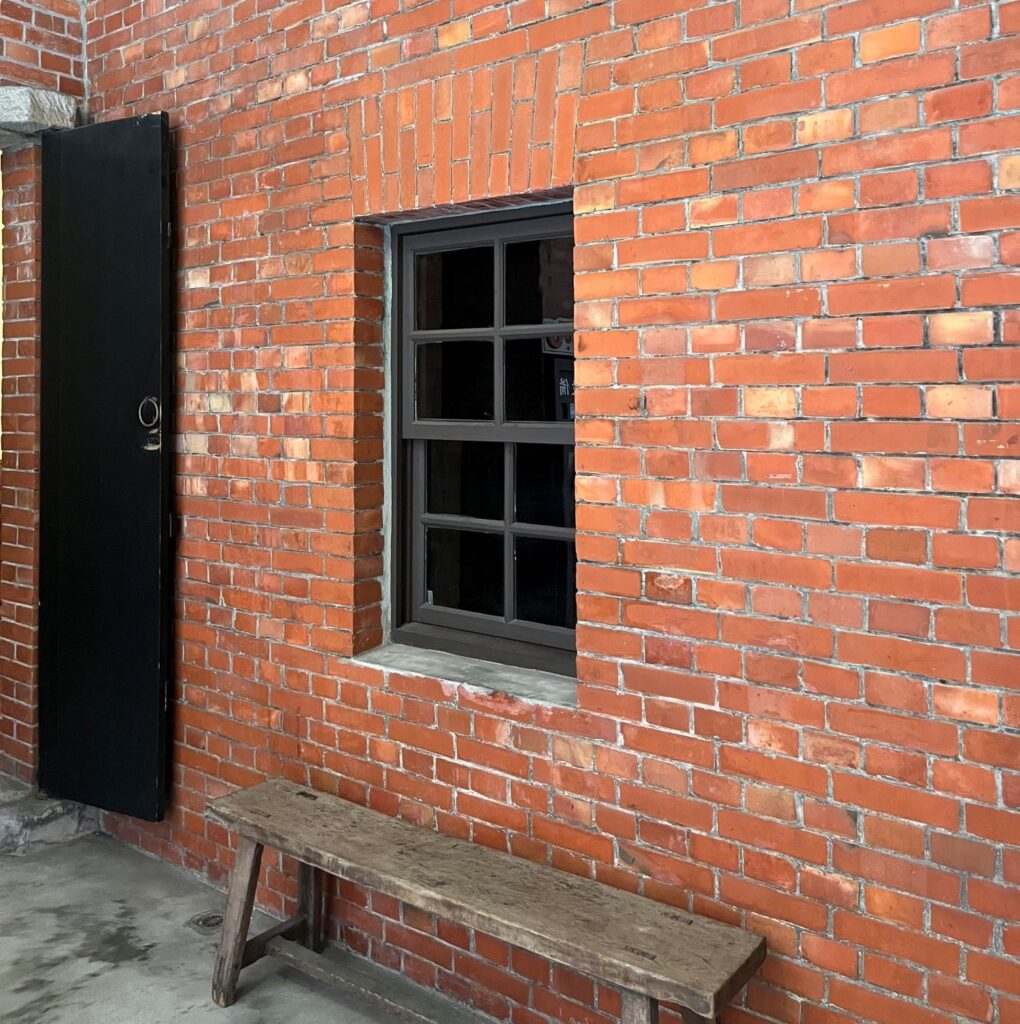
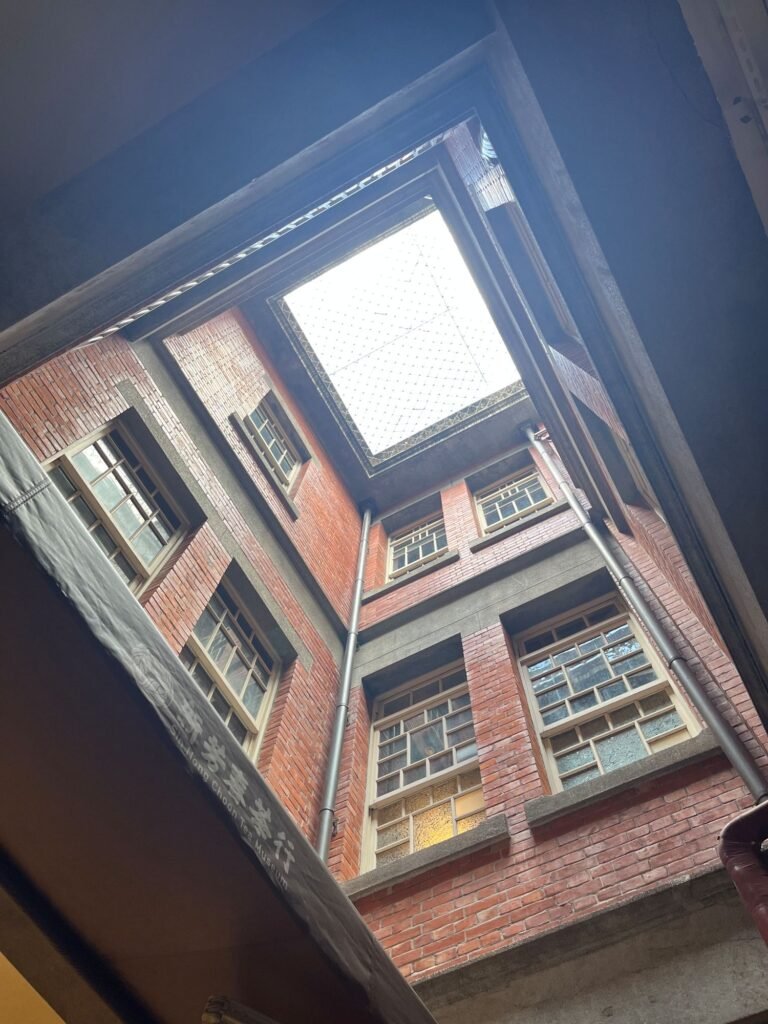
Look up when you reach the middle of the building. There’s a light well running through all three floors, with a covered skylight at the top that brings daylight deep into the house. It’s also the best place to see how the floors stack above each other.
This was my favorite corner. Red brick walls, wooden doors and windows, and a long bench. If you only take one photo here, take it there.
Exhibits And Displays
You’ll walk into what used to be the working areas of the tea factory. The roasting room and processing room are still there, and you can see the old equipment that was once used for making and preparing tea. It gives you a clear picture of how the factory operated back in the 1930s.
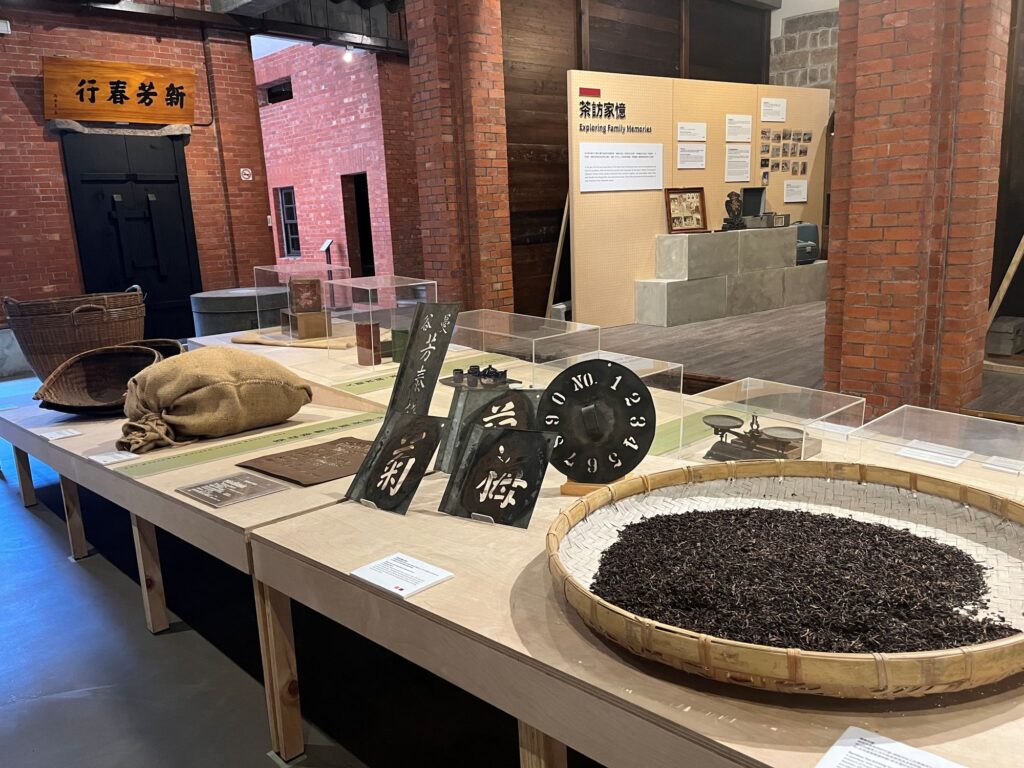
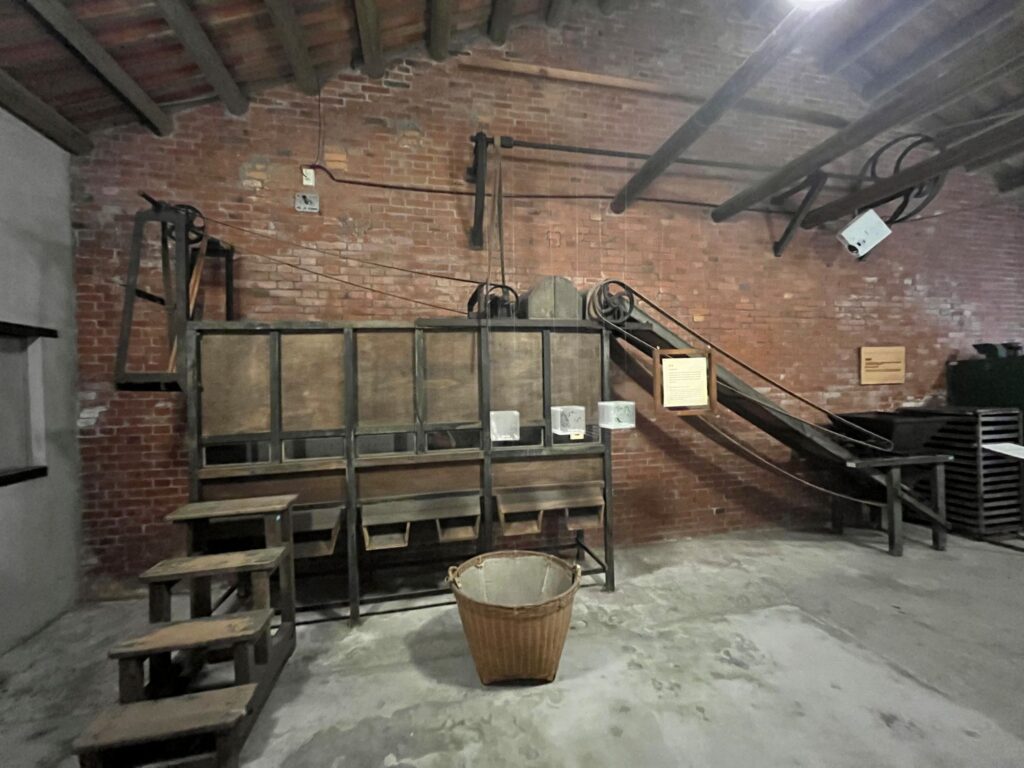
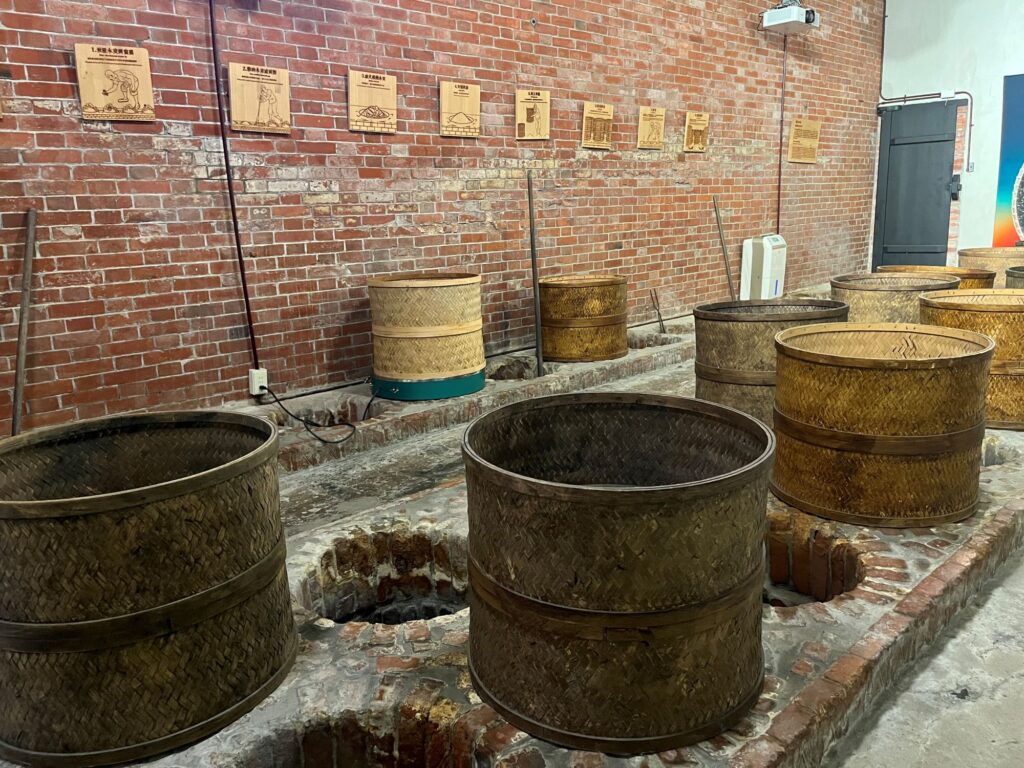
You’ll also find historical photos and documents that explain how Taiwan’s tea was produced, processed, and shipped overseas.
I don’t know much about how tea is made, but I still enjoyed this part. There are diagrams, real objects, and the old factory rooms left the way they were. Seeing it laid out visually was enough to make it click for me, and I left feeling like I’d learned something.
This is a small museum, and one hour is enough to see it. But the details inside show you how important tea once was to Taiwan’s economy and daily life.
Final Thoughts
It’s worth going. You get to walk through an old Taiwanese house and learn about the tea industry at the same time.
If you’re already planning to explore Dadaocheng or Dihua Street, I recommend including this stop. It doesn’t take much time, but it adds depth to your visit and helps you understand the history behind the neighborhood’s beautiful old buildings.