National Taiwan Museum: Is It Worth Your Time? (What to See & Skip)(國立台灣博物館本館)
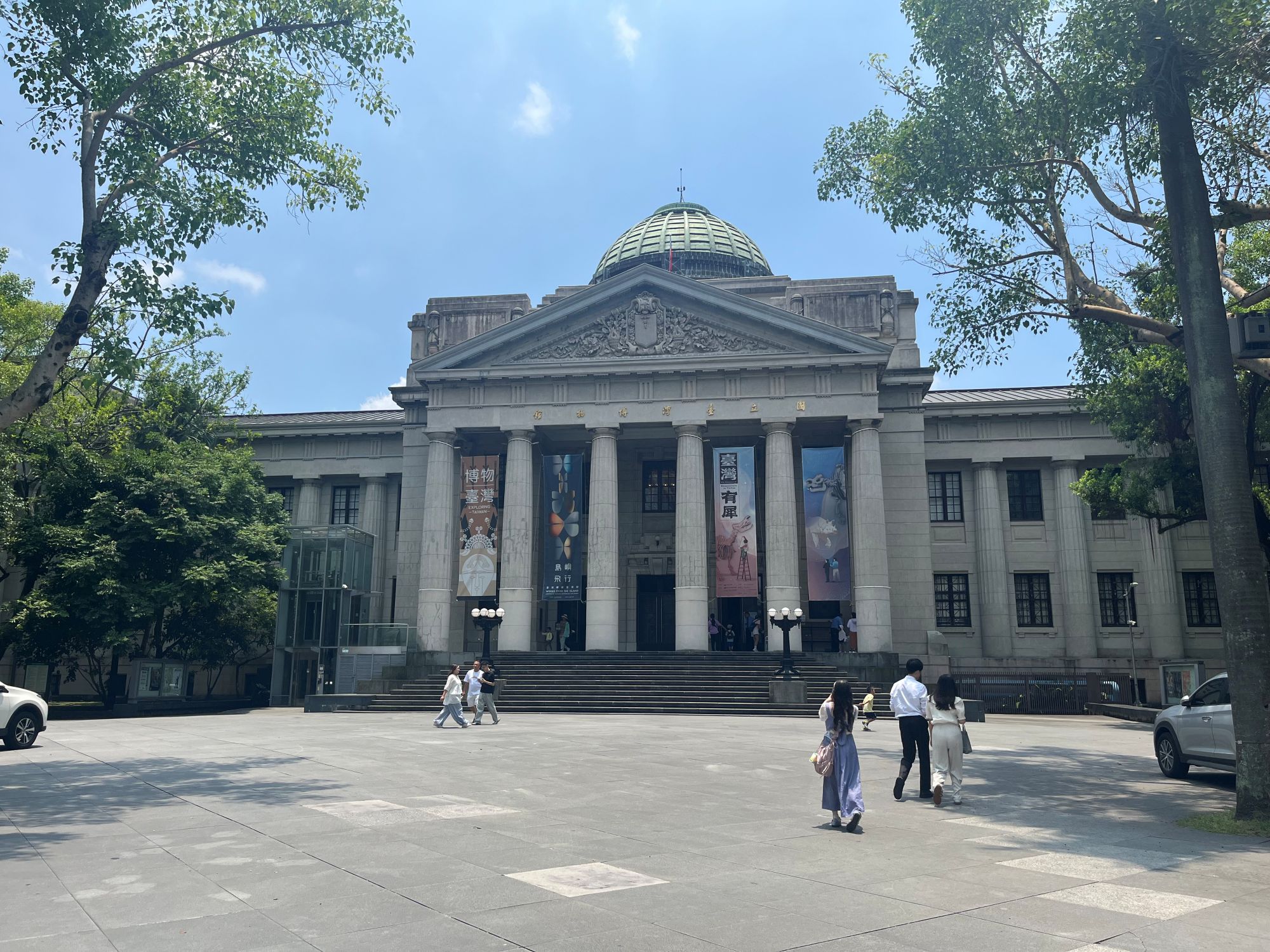
I’d heard about the National Taiwan Museum for years, but it wasn’t until this past summer that I finally visited.
After brunch with a friend near 228 Peace Memorial Park, I was walking through when a grand building caught my eye. When I found out it was the National Taiwan Museum, I decided to go in right away.
Two hours later, I walked out wishing I hadn’t waited so long. If you want to learn about Taiwan’s natural environment and its people, this might be one of the fastest ways to do it.
Helpful Visitor Info
Address: No. 2, Xiangyang Rd, Zhongzheng District, Taipei (inside 228 Peace Memorial Park)
Getting there by MRT: Take the Taipei MRT Red Line to NTU Hospital Station and use Exit 4, about a 3-minute walk through the park.
Opening Hours: Tuesday to Sunday, 9:30 AM to 5:00 PM. Closed on Mondays.
Admission: NT$30 full price, NT$15 for students, children ages 6 to 12, and seniors 65+ on weekends and holidays. Free for children under 6 and seniors 65+ on weekdays. Your ticket also gets you into the Natural History Branch across the street.
English signage: Clear and thorough throughout, the museum sees a lot of international visitors.
Time needed: Allow 1- 2 hours.
Is The National Taiwan Museum Worth Your Time?
If you’ve got half a day in Taipei and want a fun, quick course in Taiwan’s natural history and culture, yes.
It’s small enough that you won’t feel like you’re rushing through it, and the second floor alone gives you more context on Taiwan than most guidebooks manage in twenty pages.
It’s probably not for you if you’re traveling with young kids who are only excited about dinosaurs. That’s the paleontology branch across the street, not here.
For everyone else, especially if this is your first deep dive into Taiwan beyond the usual sightseeing, I think it earns its spot on your itinerary.
My Recommended Route For Visiting
Once you’re inside, take a few minutes before heading anywhere to admire the grand architecture.
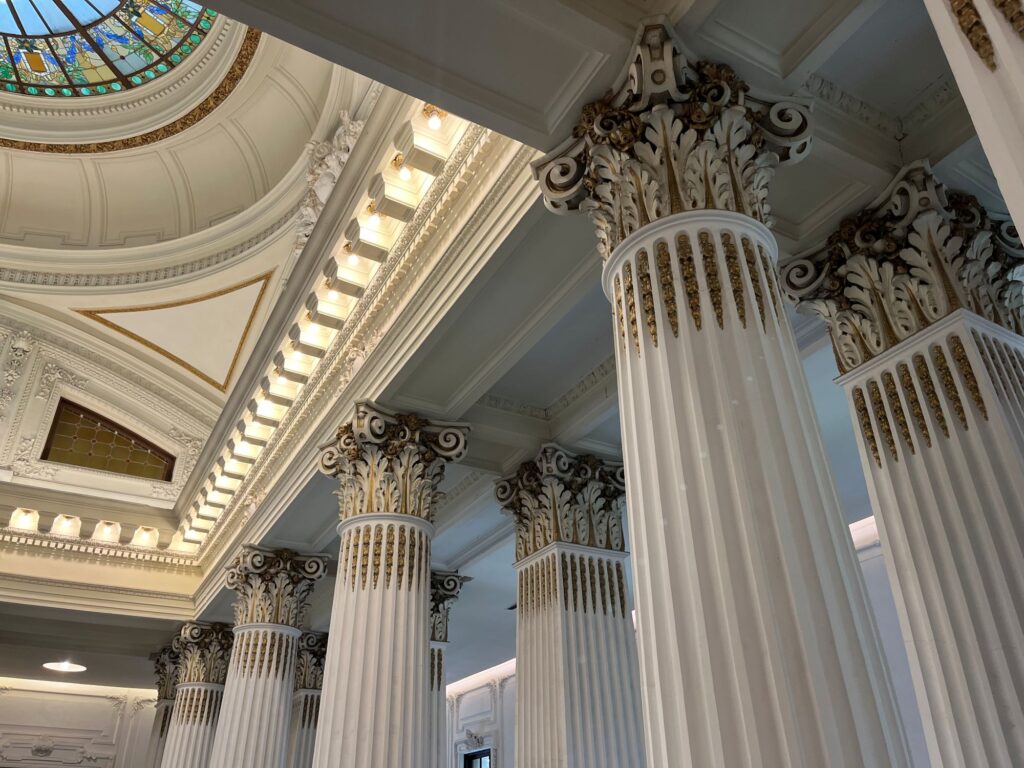
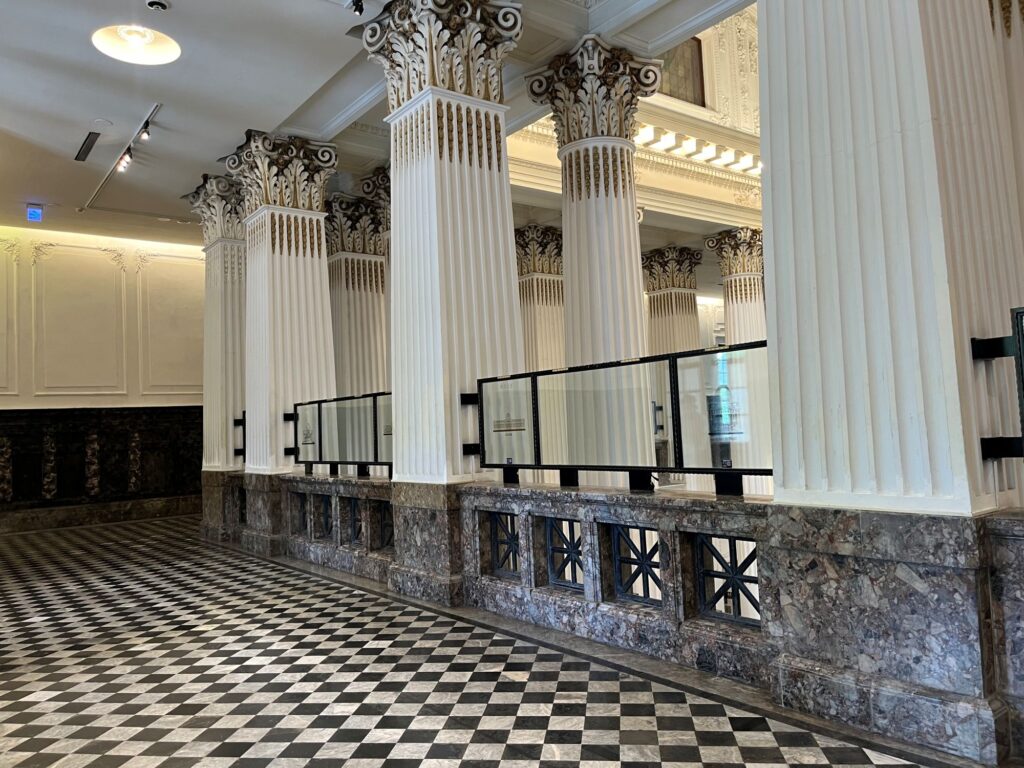
Look at the staircases, the columns, the floor, all the small details left over from the Japanese colonial era. In my opinion, the architecture is an important part of what makes this museum worth visiting.
After that, head up to the second floor first and go through both permanent galleries, nature and then people. From there, you can swing by the third floor for a quick pass through on your way back down, though it’s completely fine to skip it.
Then finish on the first floor with the special exhibition.
It is a small museum. The whole visit should take about 1-2 hours.
A Beautiful Historic Building
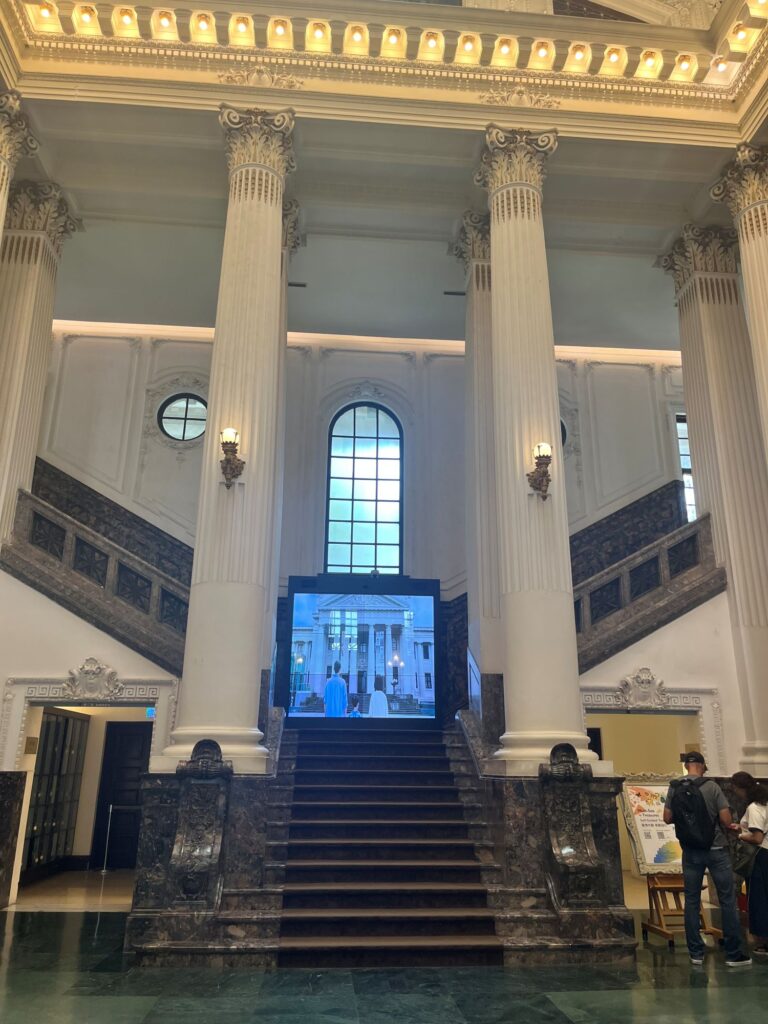
Before I even reached the entrance, the building itself stopped me. The grand facade and the wide plaza in front of it were impossible to miss. I looked it up on the spot and realized this was the National Taiwan Museum, the one I had only ever seen in videos.
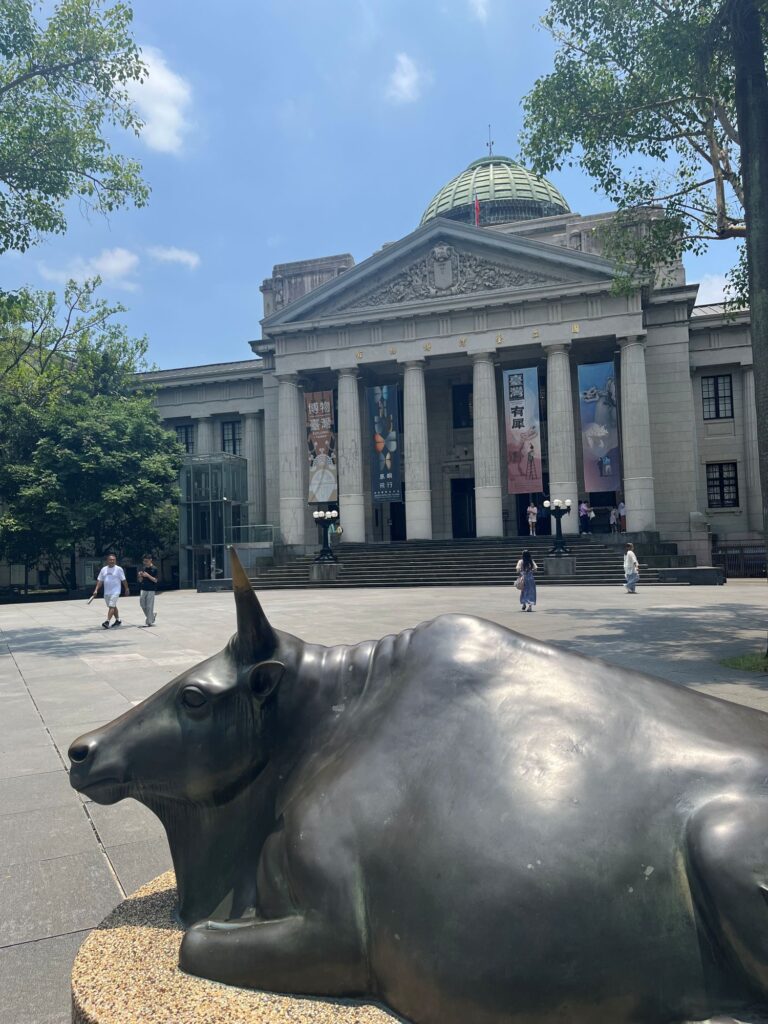
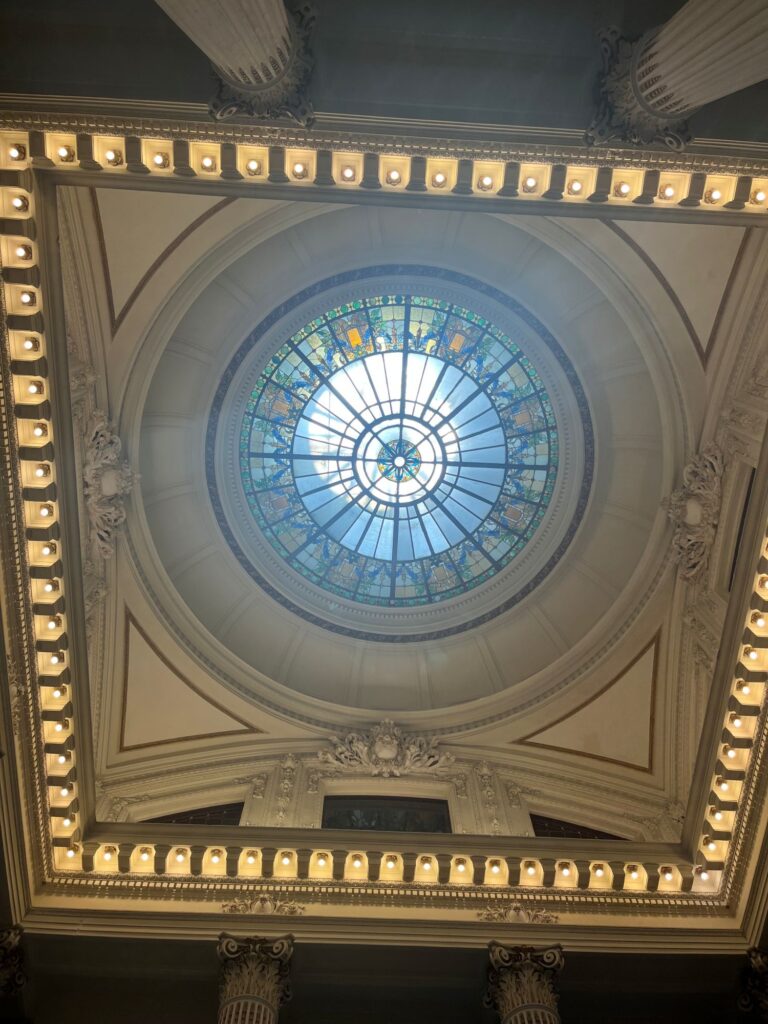
The moment I stepped into the main hall, I instinctively looked up.
A stained glass dome fills the space with natural light, sitting about 16 meters above the floor. Thirty two Corinthian columns surround the hall, each one carved with the same detail you’d expect from a building meant to impress. The building was completed in 1915, originally built to commemorate two Japanese colonial officials, and it still carries that ceremonial weight today.
One thing I didn’t know until I looked it up afterward: the third floor isn’t original. It was added during a renovation in the 1990s, when the old wooden roof was replaced with a steel structure to make room for another level. Everything below that, the hall, the columns, the dome, is over a century old.
The space isn’t particularly large, but it feels elegant and dignified. I spent so much time admiring the architecture and taking photos that I almost forgot there were exhibits to see.
The Second Floor: Where to Spend Most of Your Time
The second floor is where the museum earns its visit. It’s split into two permanent galleries, one on natural history and one on the people who have lived in Taiwan.
Together, they cover most of what I learned in elementary school about Taiwan’s geography, wildlife, and history, except this time it’s presented in a way that actually held my attention.
Nature of Taiwan
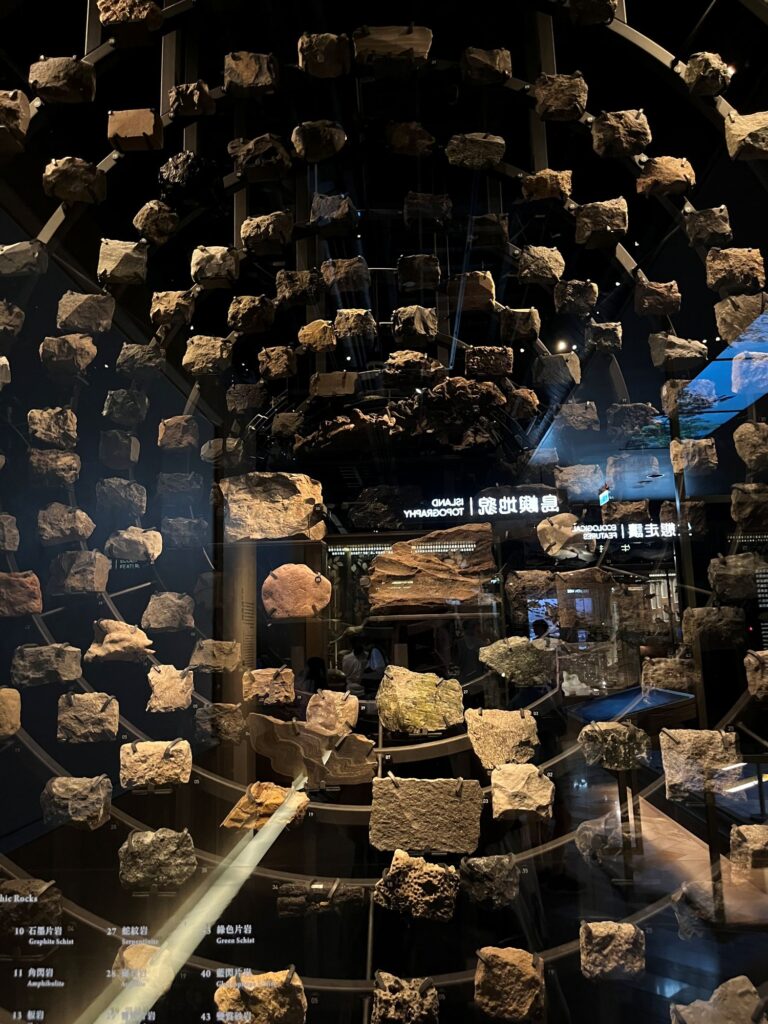
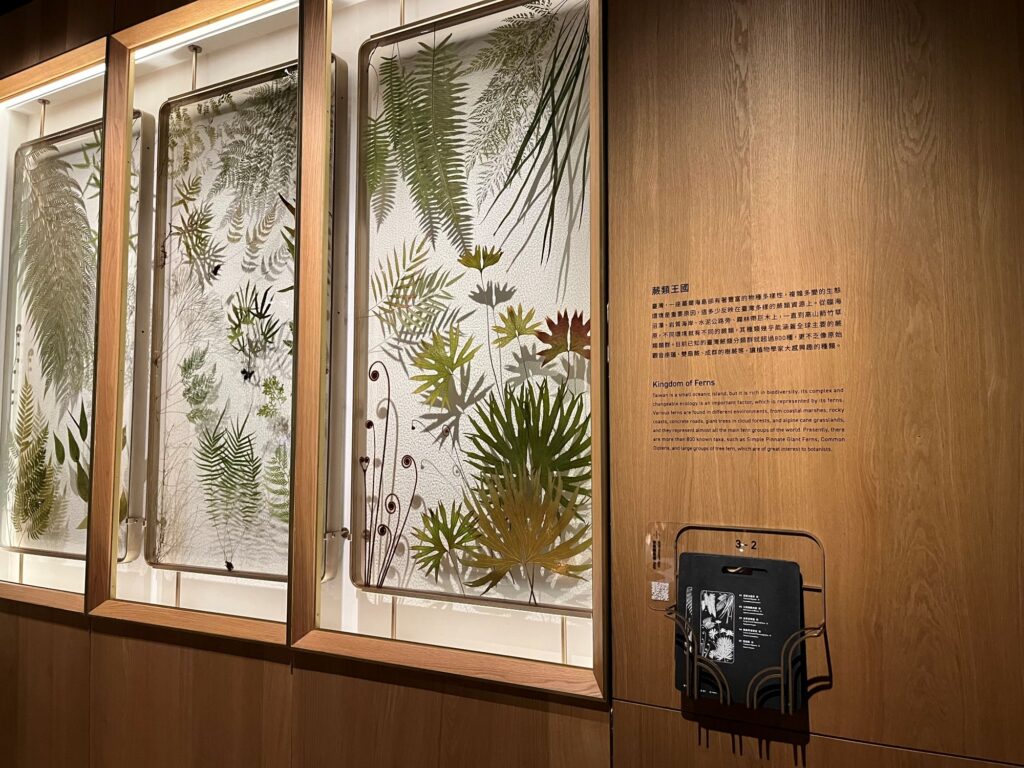
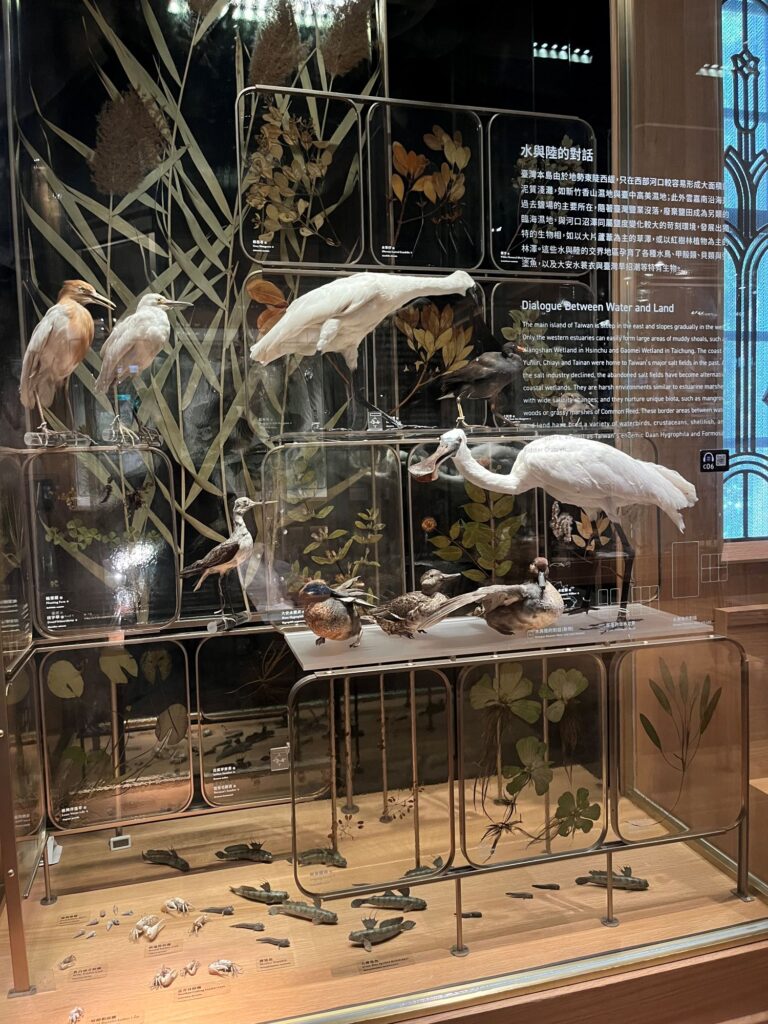
This gallery explains how Taiwan was formed and why the island has such a varied landscape, from its mountains to its coastlines.
There are rocks, fossils, and animal specimens on display, along with sections on Taiwan’s forests and ecosystems. A few of the specimens stopped me because they reminded me of things I learned in school and had long since forgotten.
Growing up in the city of Taipei, most of my memories of Taiwan were of apartment buildings, busy streets, and the MRT. Seeing the island’s plants, animals, and landscapes laid out together helped me connect a lot of dots I hadn’t thought about in years, and gave me more context for places I’ve since visited, like the mountains and national parks.
People of Taiwan
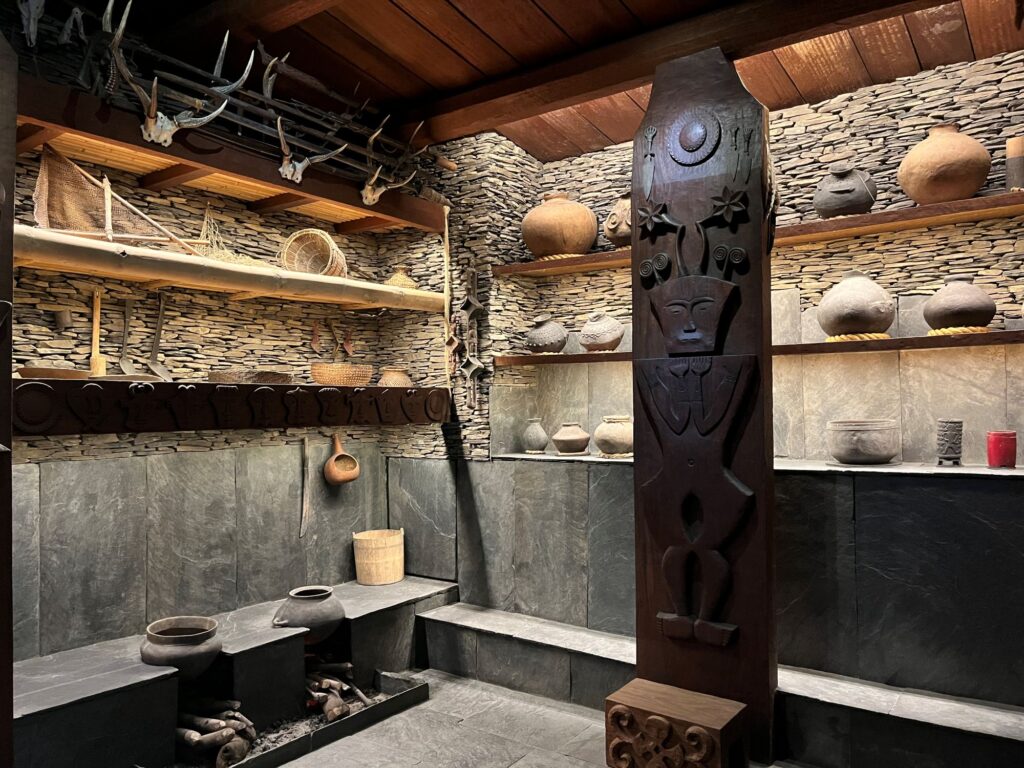
This gallery focuses on the people who have lived in Taiwan and the lives they built here.
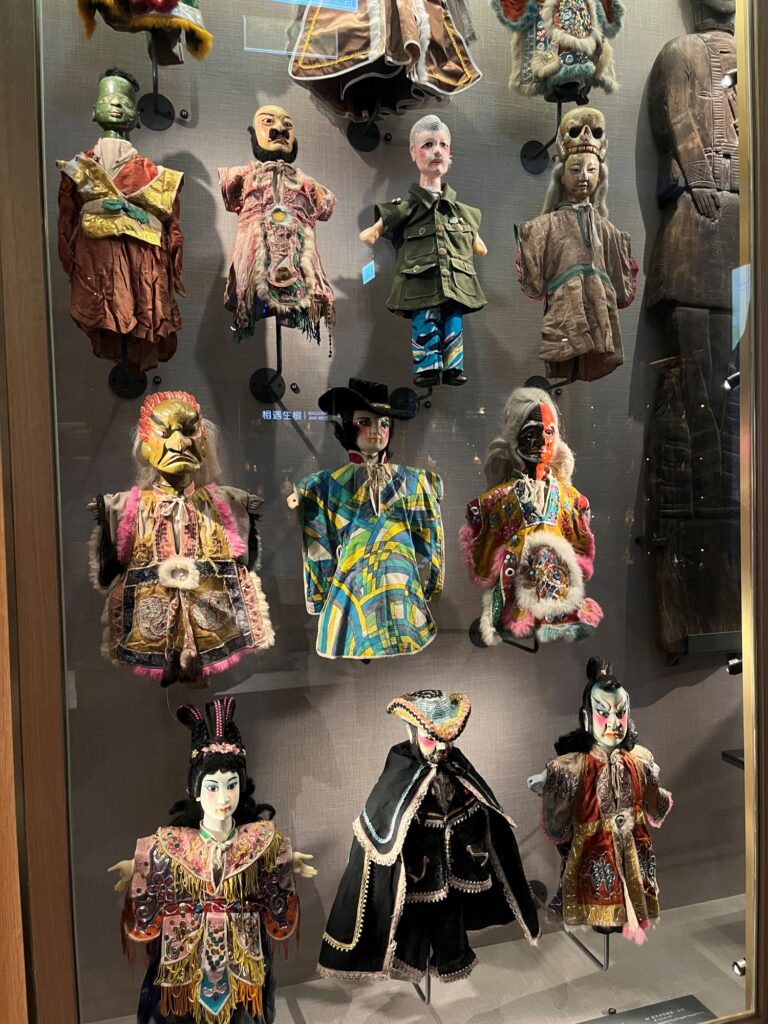
One display stopped me right away: the traditional glove puppets (布袋戲).
Seeing these puppets up close brought back a memory I hadn’t thought about in years. When I was in elementary school, we’d get out at lunchtime, and I’d rush home just to catch the glove puppet drama on TV. It aired as a series, and I never wanted to miss an episode.
A Quick Note on the Third Floor
There’s also a third floor gallery focused on the researchers and historians who studied Taiwan during the Japanese colonial period. I found it fairly dry, mostly panels about individual scholars. Given that this floor was added on decades after the original building was completed, it makes sense that it feels a bit disconnected from the rest. If your time is limited, I’d skip it and spend that time on the second floor instead.
First Floor: Special Exhibitions
The first floor is reserved for rotating special exhibitions, so what’s on display will change depending on when you visit. When I went, it was a butterfly exhibition paired with a rhino fossil display.
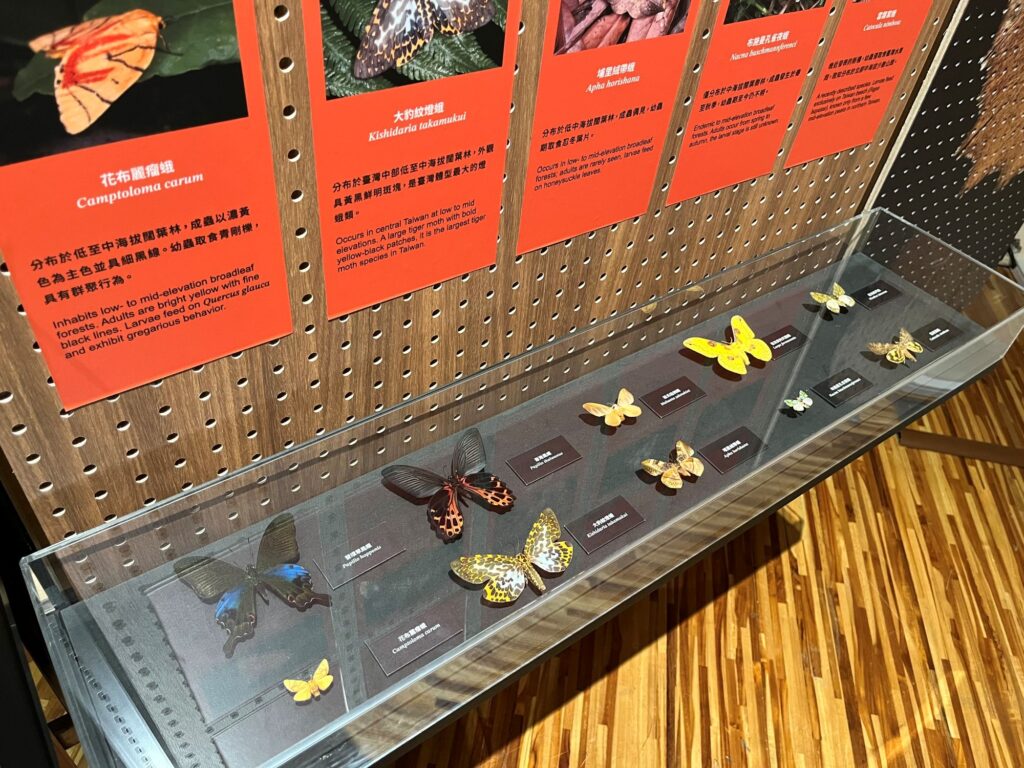
The butterfly exhibition reminded me that Taiwan was once known as the Butterfly Kingdom. I remember learning in elementary school that many butterfly species are found only here, but growing up in the city, I never actually got to see that many in person. Standing in front of the display cases was the closest I’ve come to it.
If you visit and the butterflies aren’t there anymore, don’t worry, whatever special exhibition has replaced it is worth a look on its own.
One More Floor, If You’re Traveling With Kids
There’s also a basement gallery called Taiwan, Our Home, designed as a hands-on space for younger children. I didn’t visit it myself this time, but if you’re traveling with small kids, it’s worth keeping in mind.
Final Thoughts
I grew up in Taipei, but like a lot of people, I’d forgotten more about Taiwan than I realized. This museum brought a good chunk of it back, not just the facts, but the sense of connection to a place I thought I already knew well.
If you’ve got a couple of hours in Taipei and want a real sense of Taiwan’s natural environment and its people, this is a great place to spend them.