National Palace Museum Taipei: A Local’s Tips For First-Time Visitors (故宮博物院)

My junior high school was right next to the National Palace Museum.
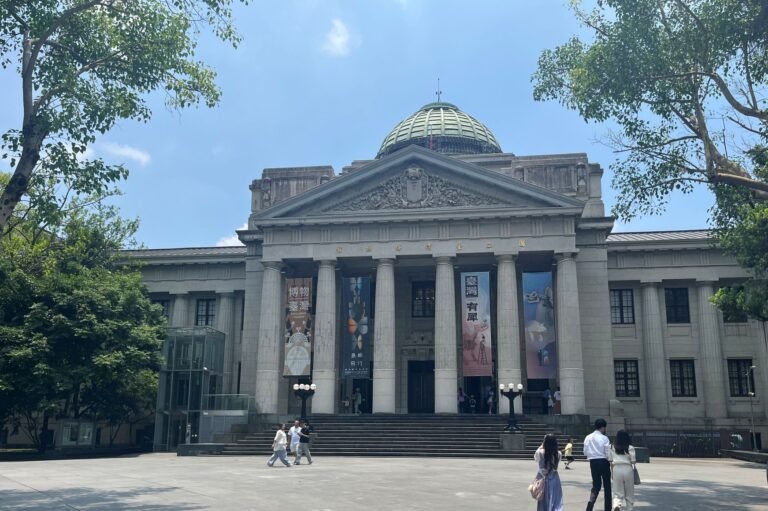
I rode past it countless times on the bus to and from school, looking out the window at the grand building with its green-tiled roof sitting in the foothills. Back then, it felt like a serious, formal place we only visited on field trips.
I’ve been back many times since, sometimes with friends from abroad, but mostly with my husband and son. My answer to “is it worth it?” is yes.
Plan at least two hours for the galleries, or half a day if you want to eat lunch there.
Do You Need To Know Chinese History To Enjoy National Palace Museum?
It helps to know some history, but if you know nothing, you can still enjoy the exhibitions.
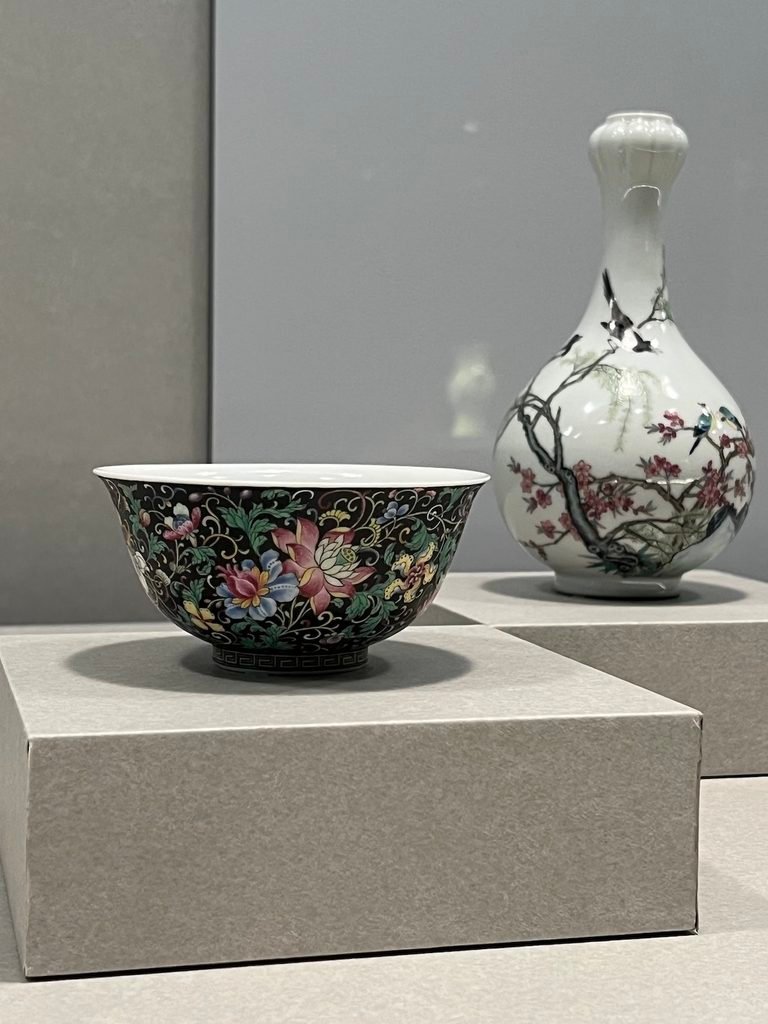
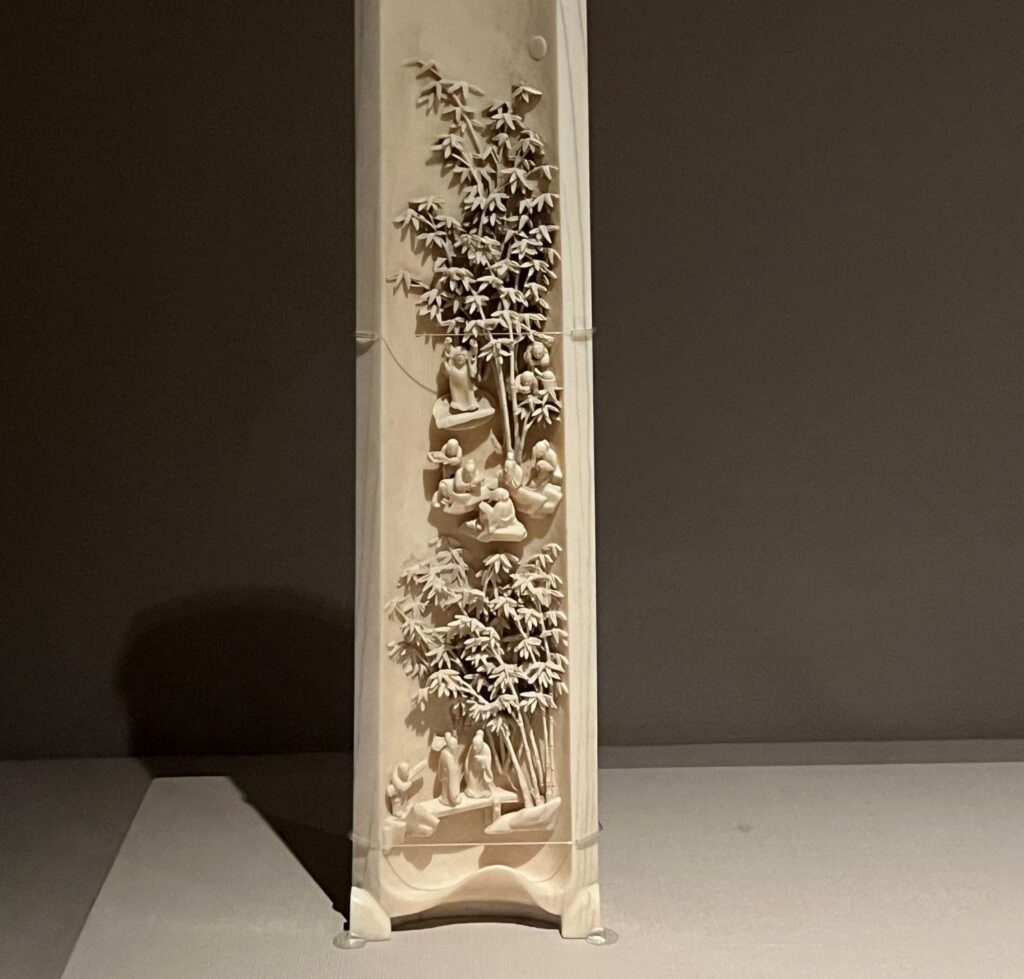
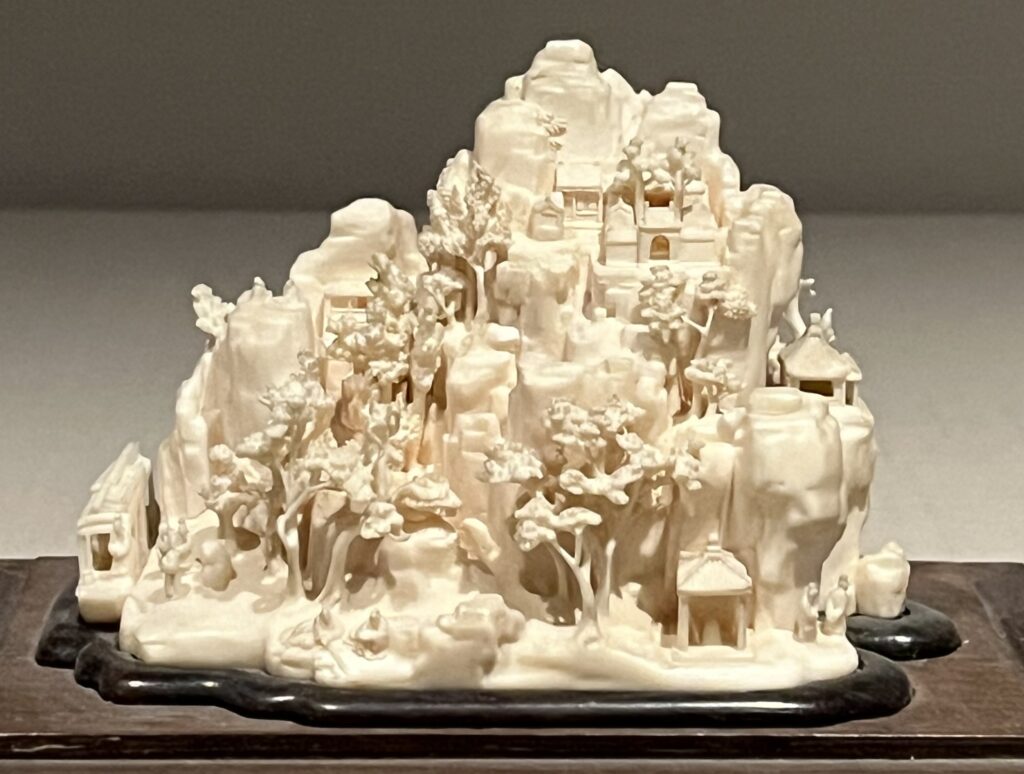
When I brought friends from abroad, what amazed them most were the carvings. A tiny boat carved from an olive pit. Ivory pieces with unbelievable detail. They only knew very little about the dynasties or the emperors, and it didn’t matter.


The museum has also changed a lot. On my visits in recent years, it felt more modern and welcoming than the place I remembered from school. The interactive displays and the children’s gallery make it a place the whole family can enjoy.
How Much Time You Need
In recent years, I’ve usually spent more than two hours in the galleries. We always have lunch at the museum, so with the meal, it’s more like three hours.
If you’re short on time, this is how I’d do it:
- Go straight to the Three Treasures.
- Then visit the gallery of imperial curios on the first floor. This is where you’ll find the ivory carvings, the olive pit boat, and other tiny treasures the emperors collected.
- Save some time for the gift shop before you leave.
If you have more time, explore the other galleries. There’s a lot more to see.
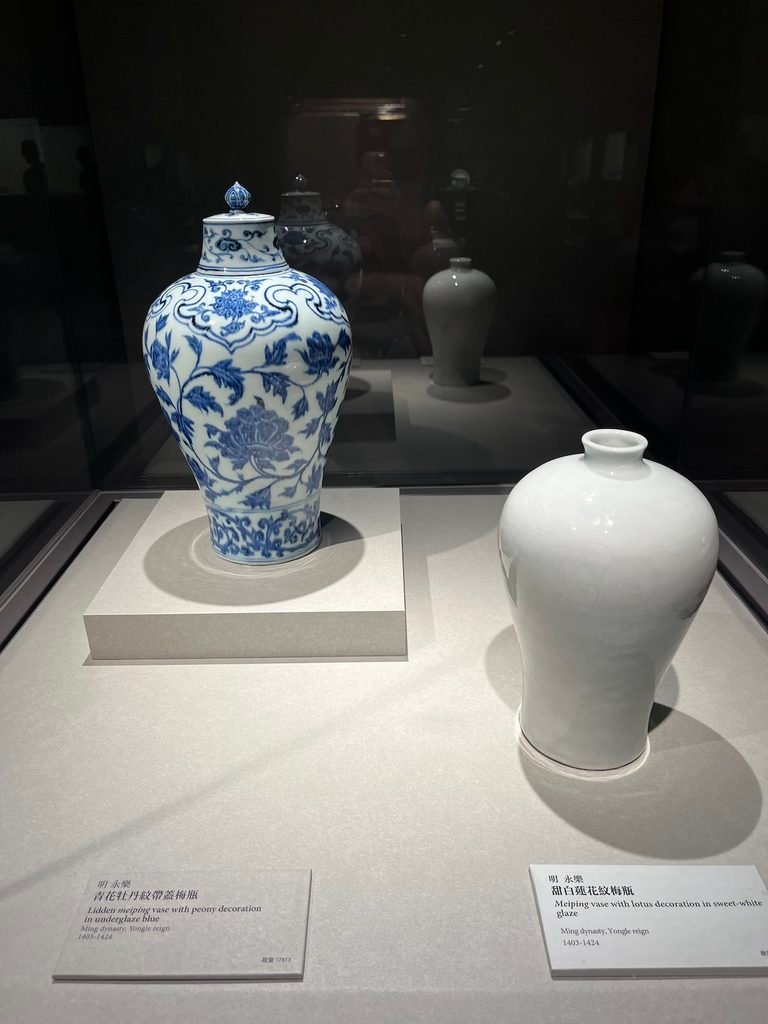
The museum has about 700,000 pieces in its collection, far too many to display at once. Some galleries are permanent, like the imperial curios. Others host special exhibitions that change throughout the year. Before you go, check the official website. It has suggested themed routes and a list of special exhibits currently on view.
Getting To The National Palace Museum
The museum is in Shilin District (士林區). Currently there’s no MRT station right next to it, so you’ll need to combine the MRT with a bus, or take a taxi.
By MRT + Bus
Take the MRT Red Line to Shilin Station (士林站 R16) or the Brown Line to Jiannan Road Station (劍南路站 BR15).
From either station, transfer to a bus heading to the National Palace Museum. Please refer to the info provided on the map below. The ride takes about 10 to 15 minutes. You can use Google Maps for real-time bus schedules.

By Taxi Or Uber
A taxi from Taipei Main Station to the museum costs around NT$300 and takes about 20 to 30 minutes, depending on traffic.
If you’re coming from Shilin MRT Station, the ride is much shorter and costs around NT$100. Uber is also widely available in Taipei. I personally prefer Uber because I can see the fare and route in advance.
The Shilin Residence (士林官邸) is a short ride away, so you can pair the two in one day.
Before You Go
Hours
The museum is closed on Mondays. It’s open Tuesday to Sunday, 9 a.m. to 5 p.m.
Tickets

General admission is NT$350. There are plenty of self-service kiosks near the entrance, so you won’t wait long. The tickets are beautifully designed, and I keep mine as a souvenir. You’ll also go through a security check before entering.
For big special exhibitions, you may need a reservation. Check the website before you go.
Should You Rent An Audio Guide?
I recommend renting an audio guide. With so many pieces on display, the labels alone don’t tell you much. The guide gives you the stories behind them. The adult version comes in multiple languages and costs NT$150. There’s also a kids’ version for ages 7 to 12 for NT$100.
Why Are These Treasures In Taipei, Not Beijing?
You might wonder why these imperial artifacts are here in Taiwan rather than in Beijing.
During the Chinese Civil War in the 1940s, the most valuable pieces from the Palace Museum in Beijing were packed up and moved to Taiwan. The National Palace Museum in Taipei opened in 1965 to house them.
So in Beijing, you can see the Forbidden City itself. To see many of the treasures that were inside it, you come here.
The Three Treasures : The Most Popular Pieces At National Palace Museum
The Jadeite Cabbage (翠玉白菜), the Meat-Shaped Stone (肉形石), and the Mao Gong Ding (毛公鼎) are known as the museum’s Three Treasures (故宮三寶).
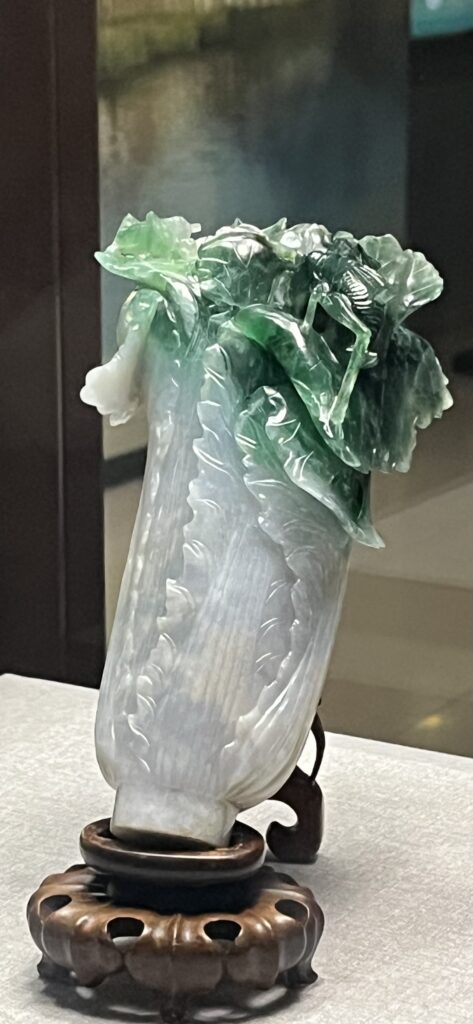
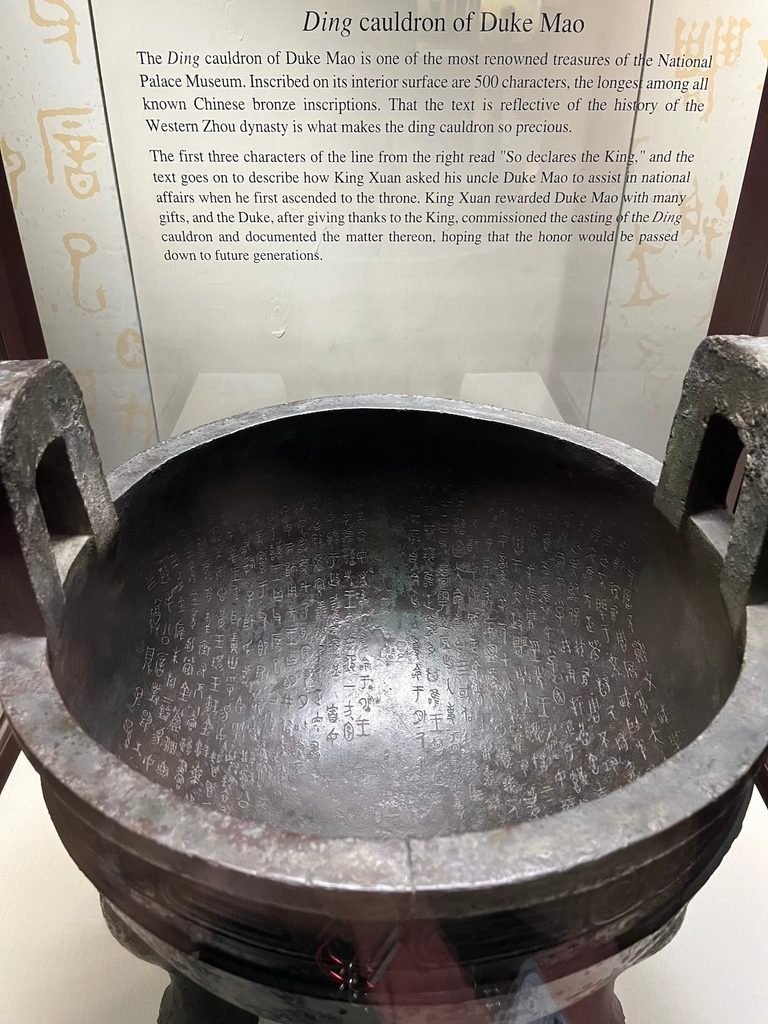

One thing to know: the Jadeite Cabbage and the Meat-Shaped Stone take turns traveling to the museum’s Southern Branch (故宮南院) in Chiayi, and sometimes to museums abroad. So you might only see one of them.
There’s usually a crowd around these pieces, often tour groups with guides explaining. But it’s nothing like the Mona Lisa. Every time I’ve been, I could still get close enough to take photos.
Jadeite Cabbage (翠玉白菜)
This is my favorite. It’s small, but the carving is so detailed. Look closely and you’ll spot two tiny insects on the leaves, a locust and a katydid.
Meat-Shaped Stone (肉形石)
Many people think this is a natural rock that happens to look like braised pork. That’s only half true. The layers in the stone are natural, but the pores on the “skin” were drilled by hand, and the top layer was dyed to look like pork marinated in soy sauce.
My son loved it so much that he picked a fridge magnet of it at the gift shop.
Mao Gong Ding (毛公鼎)
If you don’t know the story, this one might look like any ordinary old bronze pot. What makes it special is inside.
About 500 characters were cast along the inner wall, the longest inscription ever found on an ancient Chinese bronze. It dates back to the Western Zhou dynasty, around 2,800 years ago.
My Personal Favorites
For me, the ivory carvings were the most memorable. I was amazed by the detail and how delicate the craftsmanship was. Don’t miss the olive pit boat either. It’s so small that you have to look closely to believe someone carved it by hand.
Several famous paintings have also been turned into digital displays. One showed a lively town scene through the seasons. I stood there watching people move through the streets, going about their daily lives.
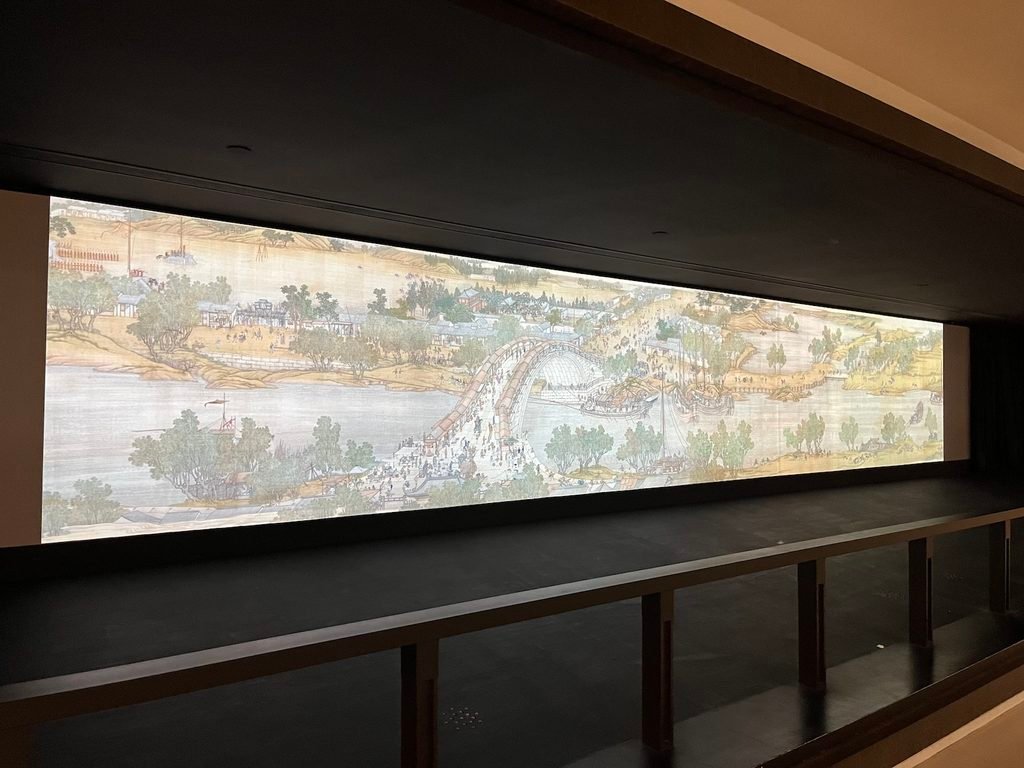
Another gallery used light, sound, and motion to turn a landscape painting into an immersive space. I saw my reflection inside the scenery, with birds and rain around me. I even felt a breeze on my skin. It felt like stepping into the painting.
Visiting With Kids
If you’re visiting with children, don’t miss the children’s gallery on B1. It has hands-on activities and interactive displays that make art and history fun for kids.
During our visit several years ago, my then 8-year-old son joined a free guided session. He learned about a few key artifacts and then made a paper craft inspired by one of them. It was a memorable part of our trip.
Gift Shop And Where To Eat
Gift Shop
Before you leave, stop by the gift shop. Many souvenirs are inspired by the museum’s famous pieces: magnets, notebooks, mugs, bookmarks, and books. I think they’re beautifully designed. I bought a file folder with a landscape painting design, and a children’s book about the museum’s treasures for my son.
Where To Eat
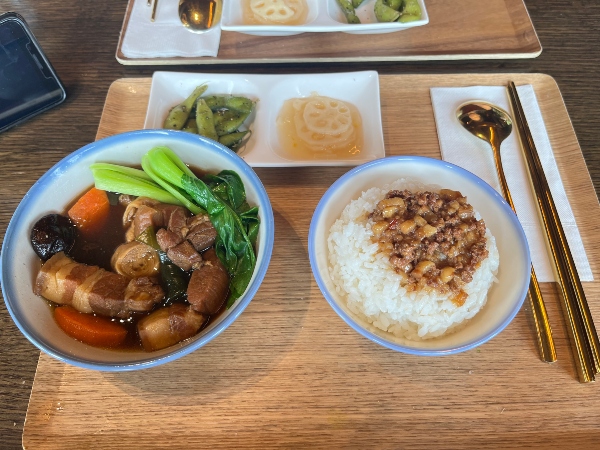
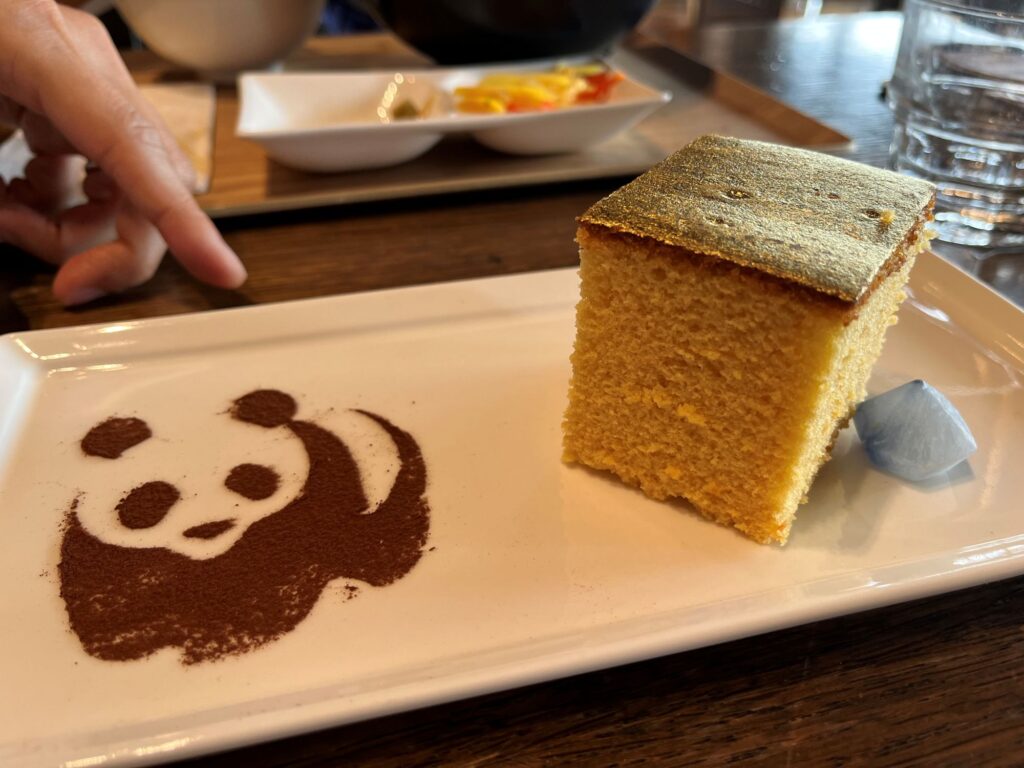
For lunch, we always go to Sanxitang (三希堂) on the 4th floor of the main building. We order the set meals. I like the atmosphere there. It’s an open space with big glass windows, so you can enjoy the view while you eat.
If you want something fancier, Silks Palace (故宮晶華) is right next to the museum. I haven’t been, but it’s known for dishes inspired by the museum’s artifacts, like the Jadeite Cabbage and the Meat-Shaped Stone.
Final Thoughts
When I was in school, the National Palace Museum felt formal and a little distant. It doesn’t feel that way anymore. Its exhibitions and promotion keep people talking, and the gift shop makes ancient art feel trendy. Going to the museum has become a cool thing to do, even for young people.
In 2026, the museum displayed the Long Zang Jing (龍藏經), a set of Buddhist scriptures handwritten in gold for the Qing court. A rumor spread online that seeing it would bring you good fortune for seven lifetimes, and it became a huge trend in Taiwan. People lined up for hours, and the museum later switched to timed reservations. I really wanted to go, but when I saw the lines on the news, I gave up.
The treasures are the same ones I saw on school field trips. What changed is how the museum shares them, and I think they’ve done it really well.