First Time Taking the MRT in Taipei? Here’s What to Expect

If you are visiting Taipei and planning to use public transportation to get around the city, this post is for you.
The MRT is Taipei’s subway system. In this post, you’ll find practical tips to help you ride the Taipei MRT with confidence, including basic etiquette and small things locals do that visitors might not notice.
Hi, I’m Grace, born and raised in Taiwan and now living in the United States. I return to my hometown of Taipei every year to visit family, and I love exploring new places each time I’m back. I hope my experiences and tips can help you plan a fun and memorable trip to Taipei.
A First-Timer’s Guide to the Taipei MRT
General Info About the MRT System
The Taipei MRT currently has 6 main lines. Each line is color-coded and clearly labeled in both Chinese and English, and every station has maps and signs to help you find your way.
Trains generally run from around 6 a.m. to midnight, with peak hours on weekdays between 7:30–9:30 a.m. and 5:30–7:00 p.m. If possible, try to avoid these times since trains can get crowded with commuters.
Before your trip, it’s helpful to download or save a copy of the official Taipei Metro map on your phone. You can find it on the Taipei Metro website, where you can also check schedules, plan your route, and see estimated travel times between stations.
Entering MRT Stations
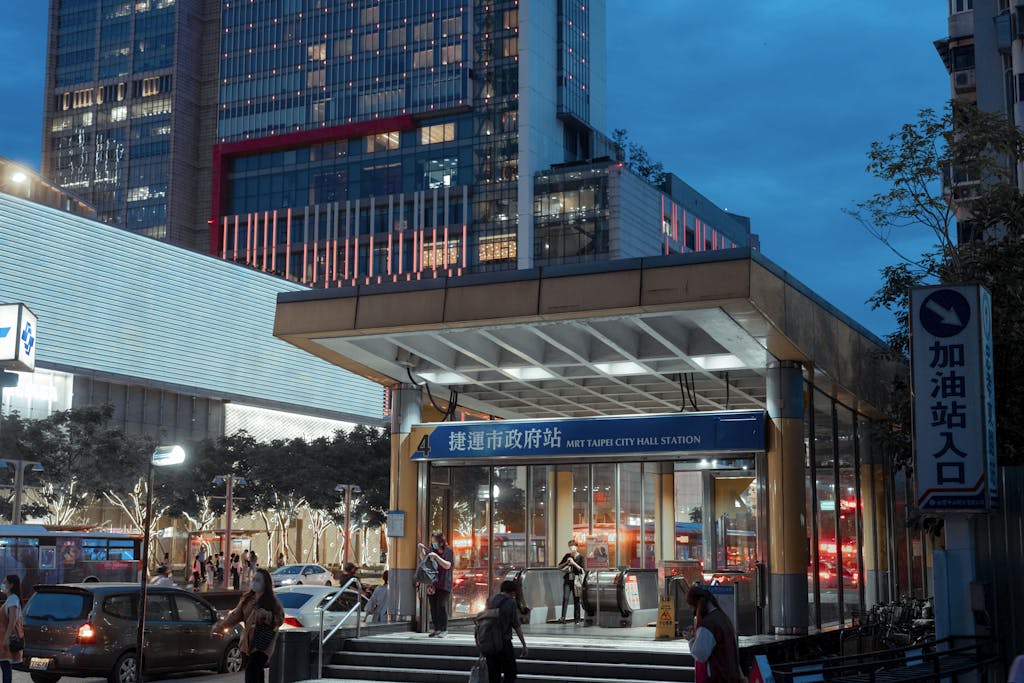
Look for the blue-and-white MRT logo, placed on tall signposts. The logo marks the station entrance, and most stations have multiple exits, each numbered and labeled with nearby streets or landmarks.
One thing to note about MRT exits is that some have only stairs, while others include escalators or elevators. You can visit the official Taipei Metro website, click on the station you’re heading to, and scroll down to see the exit information.
Let me use the screenshot photo as an example:

As you can see from the above photo, if you’re carrying large suitcases or a stroller and entering the station, it’s best to use Exits 4 and 5, which have elevators, and avoid Exits 2 and 3 since they only have stairs. You can also check the exact locations by clicking on the Google Maps icon.
Getting and Using an EasyCard
Before entering the platform area, you’ll need a way to pay for your ride. If you prefer to pay per ride, you can buy a single-journey token from one of the ticket machines or at the service counter.
If you plan to take multiple MRT rides during your stay in Taiwan, the easiest option is to get an EasyCard (悠遊卡). It’s a rechargeable contactless card that can be used on all MRT lines, buses, as well as many attractions, shops, restaurants, and convenience stores.
You can buy or top up an EasyCard at any MRT station or at 7-Eleven and FamilyMart locations.
I love checking out the EasyCards sold at convenience stores (you’ll see them near the cashier counter), especially the ones with unique shapes that come with a hook. You can clip one onto your bag for easy access, and they also make great souvenirs from your trip.

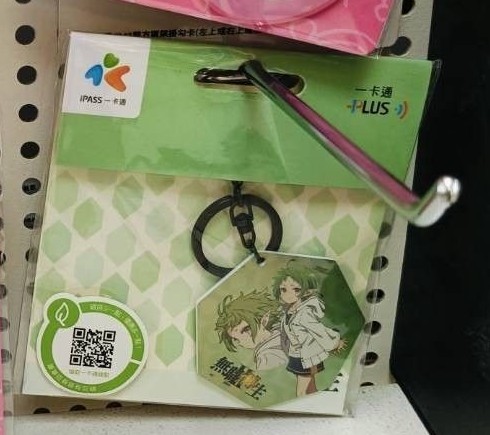
Tap your card on the sensor at the gates when entering and exiting. The fare is automatically deducted, and you’ll see your remaining balance on the screen of the gate.
No Eating/Drinking Rule
Right before entering the ticket gates, you’ll see a yellow line on the ground with red text that reads, “No Eating/Drinking Beyond the Yellow Line.”

Once you cross that line, eating and drinking (even drinking water and chewing gum) are not allowed anywhere inside the paid area, including platforms and trains.
This rule has been in place since the MRT first started operation, and it’s taken very seriously. If you violate the rule, you can be fined between NT$1,500 and NT$7,500 (about US$50 to US$250).
Years ago, my husband was unaware of the rule and was chewing gum as he entered the station. A staff member quickly approached him and asked him to spit it out immediately, or he would face a fine. We were impressed by how strictly the rule was enforced.
Escalator Etiquette

You’ll notice that most people stand on the right side of the escalator and leave the left side open for those who wish to walk.
It’s been a long-time habit for locals.
In the past couple of years, the Taipei Metro has started to encourage passengers to stand on both sides. However, the old habit is hard to break.
When I went back to Taipei this past summer (in 2025), I noticed signs reminding people to stand on both sides, but most passengers were still standing on the right and leaving the left side open. And when I stood on the left side, people often walked up/down from behind, and I couldn’t help but feel the need to move along too.
So my advice when using the escalator is this: you can stand on either side. If you’re on the left and someone behind you wants to walk, you can shift slightly to the right if there’s space, or you can stay where you are. You are not breaking any rules by “standing” on the left, and there’s no need to feel pressured to move.
On The Platform
When you reach the platform, take a look at both sides before lining up to make sure you’re heading in the right direction.
Each platform shows the end station name, such as “toward Tamsui” or “toward Xiangshan,” along with a list of upcoming stations. Just take a quick look before boarding to confirm you’re on the correct side.
You’ll also see a digital screen showing how many minutes away the next train is. The MRT is very punctual, and trains arrive every few minutes, and even more frequently during rush hour, so there’s no need to worry if you just missed one.
You’ll see lines on the floor that show where to stand and form a queue. Locals are very patient when it comes to lining up and boarding the train, which is something I always appreciate about people in Taipei. People wait calmly for their turn without pushing or rushing.

On The Train
If you’re wondering how long it will take to reach your destination, a simple rule of thumb is “2 minutes per station”. For example, if your stop is 5 stations away, the ride will take roughly 10 minutes.
Each train has announcements in Mandarin, Taiwanese, Hakka, and English, and you’ll also see a digital display above the doors showing the next station.
You’ll notice that the priority seats are painted in deep blue and are near the doors. These seats are reserved for people in need. If you are feeling well, it’s best to leave these priority seats available, even if the train looks empty when you board.
When the train gets crowded, remember to wear your backpack in front to make more space for others.
Transferring Between Lines
When you transfer between lines, follow the color-coded signs and arrows on the walls and floors.
The transfer walk can sometimes take a few minutes, especially at major stations such as Taipei Main Station or Zhongxiao Fuxing, so allow a bit of extra time if you’re catching a connection.
By the way, I have an in-depth article about how to navigate the Taipei Main Station. If you need to take a train to go to other parts of Taiwan, you will find the article helpful.
Exiting the Station
When you arrive at your destination, take a moment to look at the exit map before leaving the paid area.
Each MRT station has several exits, and the map shows which one leads closest to your destination, so you can save time and extra walking.
If you have luggage, a stroller, or mobility needs, check the map for accessibility symbols. Not all exits have escalators or elevators, so it’s best to pick one that does.
You’ll also find restrooms near the exits at all stations, usually in the unpaid area. They are well-maintained and free to use, which is something I really appreciate about the Taipei MRT system.
Final Thoughts
Every time I return to Taipei, I’m reminded of how smoothly the system runs and how polite and patient people are when using public transportation.
I hope these tips help you feel more confident navigating the MRT and make your trip around Taipei easier and more enjoyable.