A Morning Walk Around Longshan Temple, Bopiliao, and Xinfu Traditional Market
Longshan Temple (龍山寺, also spelled Lungshan) has stood in Taipei since 1738, and today it’s a popular place for both locals and tourists. Locals come here to pray, and visitors come to see the temple and watch daily worship up close.
When you plan your visit, think about setting aside a couple of hours in the morning. Bopiliao (剝皮寮) and a traditional street market are just a few minutes’ walk away, and you can see all three before lunch.
I did this walk on a Sunday morning in the summer of 2026. I arrived around 9am and finished in under two hours. It was a relaxed way to see a little more of Wanhua, one of the oldest neighborhoods in Taipei.
How to Spend a Morning Around Longshan Temple
All 3 places are within walkable distance from one another. I started at the temple and ended at the market, and the walking in between takes only a few minutes.
Start at Longshan Temple
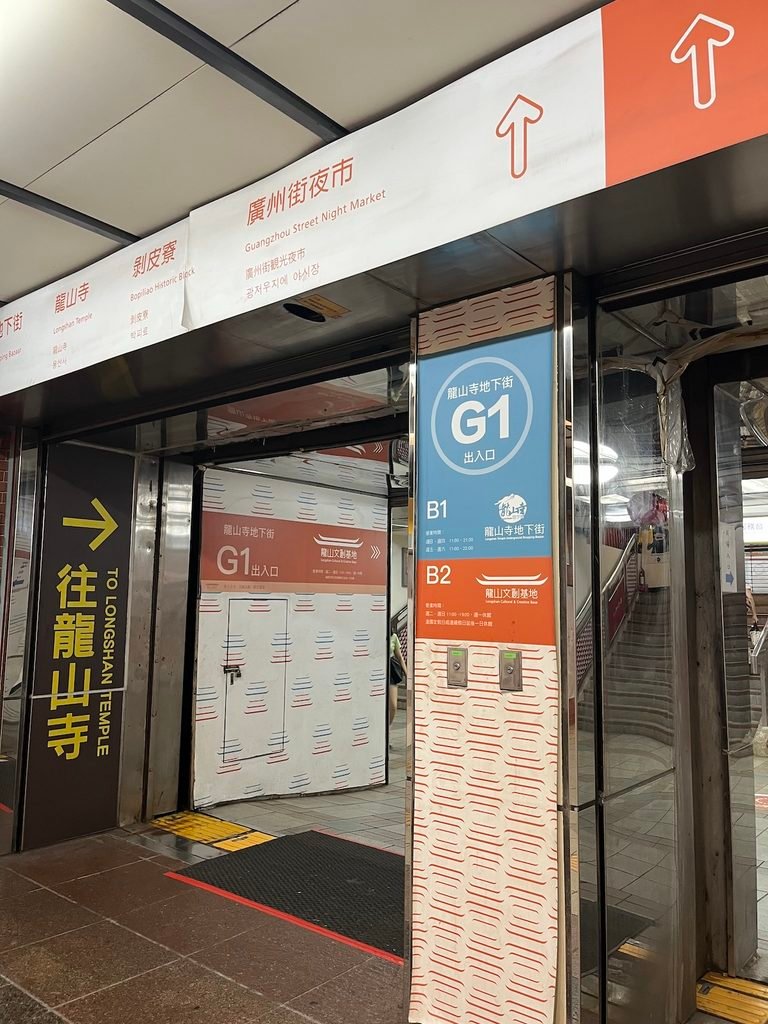
If you’re taking the MRT, ride the Blue Line to Longshan Temple Station (BL10).
Take Exit 1 and follow the signs for the underground walkway to the temple. It’s about a five-minute walk. At the end of the walkway, take the escalator up, and when you come out, the temple is right across the street.
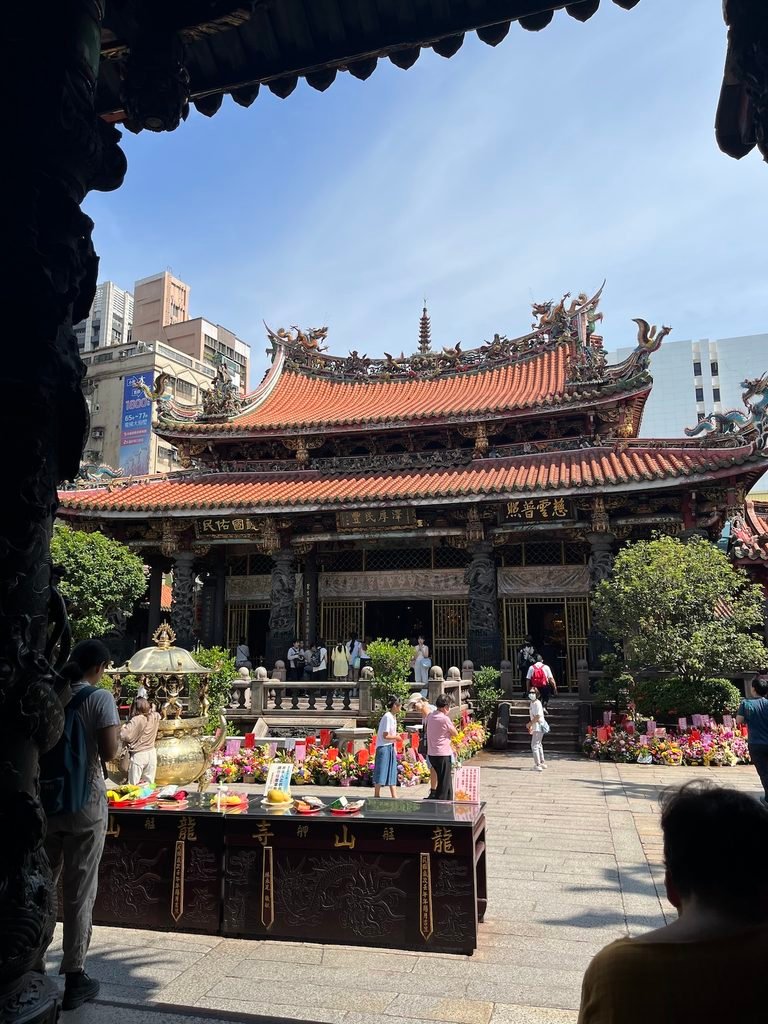
When I was there, at about 9am on a Sunday morning, there were plenty of people, but it didn’t feel packed. I saw several foreign tour groups following their guides around and listening closely, while worshippers prayed nearby.
The temple is free to enter. Near the front hall, there’s a screen with a QR code for a guide on how to worship.
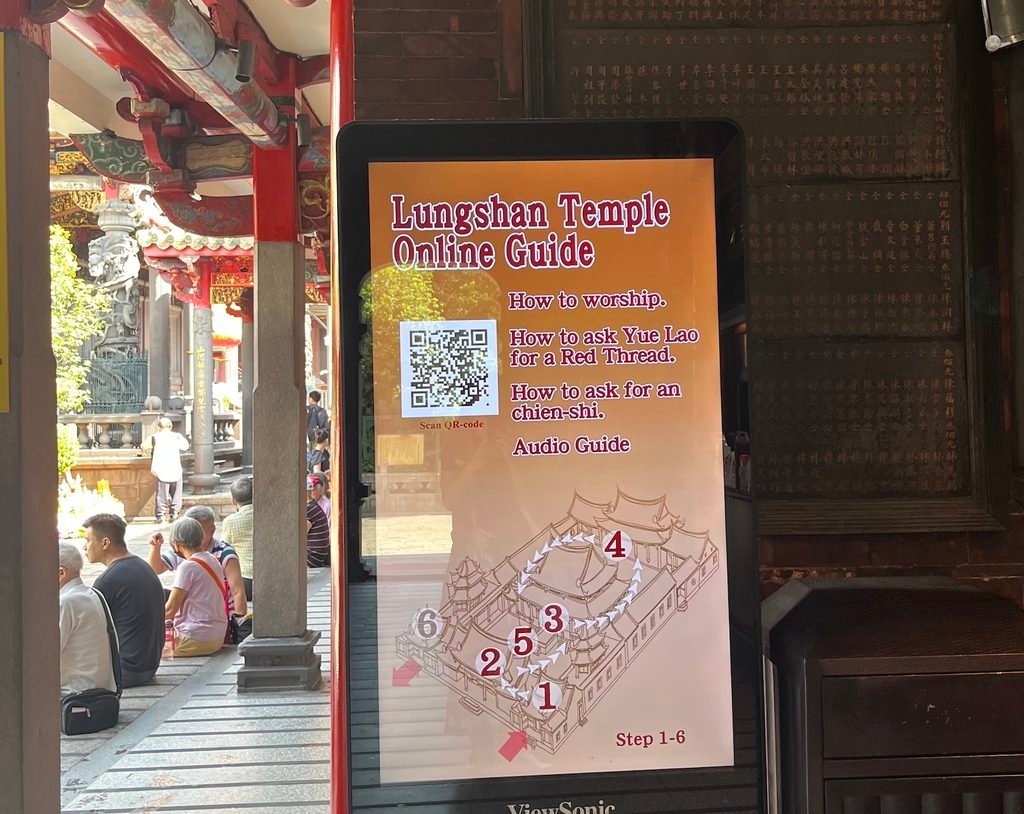
Longshan is a Buddhist temple at heart, but it’s home to more than 100 deities from Buddhism, Taoism, and folk religion, and each one looks after a different part of life.
The main one is Guanyin (觀音), the goddess of mercy, in the main hall.
One of the popular gods is Yue Lao (月老), the god of love and marriage. The temple only added him in 2001, after so many people asked for him, and today he’s one of the most popular.
Another popular one is Wenchang Dijun (文昌帝君), the god of exams. Students leave a copy of their exam admission ticket on the altar, and some also bring scallions, celery and radish, because in Chinese/Taiwanese those words sound like “smart”, “hardworking”, and “good luck”.
One thing you won’t see here is people holding incense sticks. Over the years, the temple stopped people from burning paper money, then cut back on incense, and since 2020 visitors haven’t been allowed to burn any at all.
The only incense now is a single large stick lit by the temple itself. People pray with their hands pressed together instead, and the candles inside have been replaced with LED lights. The temple made these changes to cut down on smoke and air pollution.
My family isn’t religious, and I’ve only “formally” prayed here once. It was years ago, right after I graduated from college. I wrote about my experience in this article: The Fortune I Drew at Longshan Temple Years Ago.
Stroll Through Bopiliao
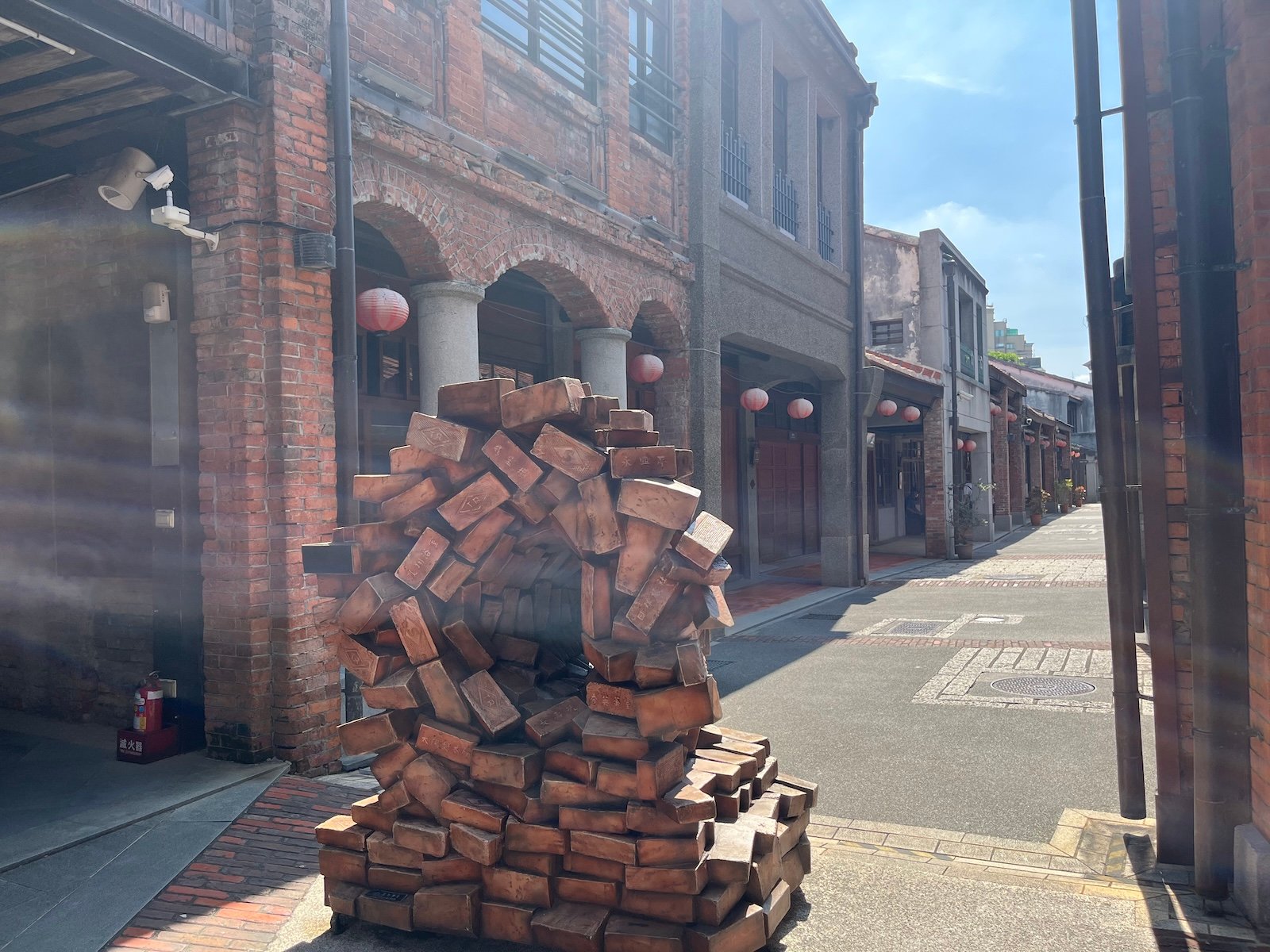
After exiting Longshan Temple, turn left and walk one block along Guangzhou Street. Most of the way is under covered arcades, so you’ll get some shade. That brings you to Bopiliao, an old street that dates back to the Qing dynasty.
Like Longshan Temple, Bopiliao is free to visit.
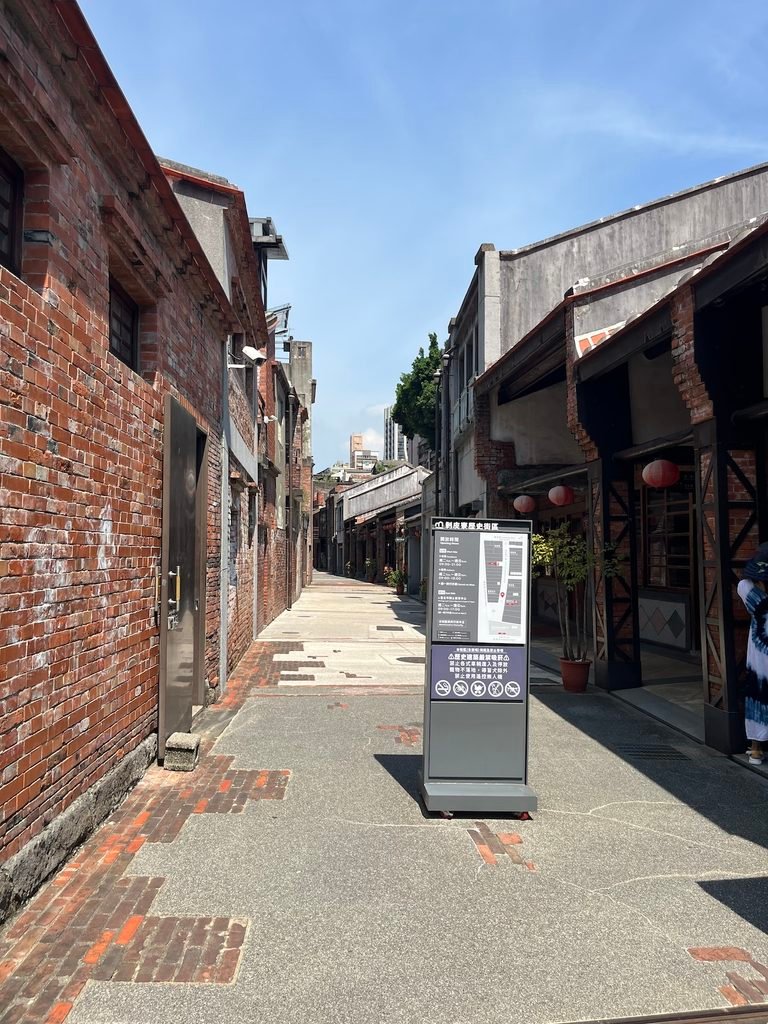
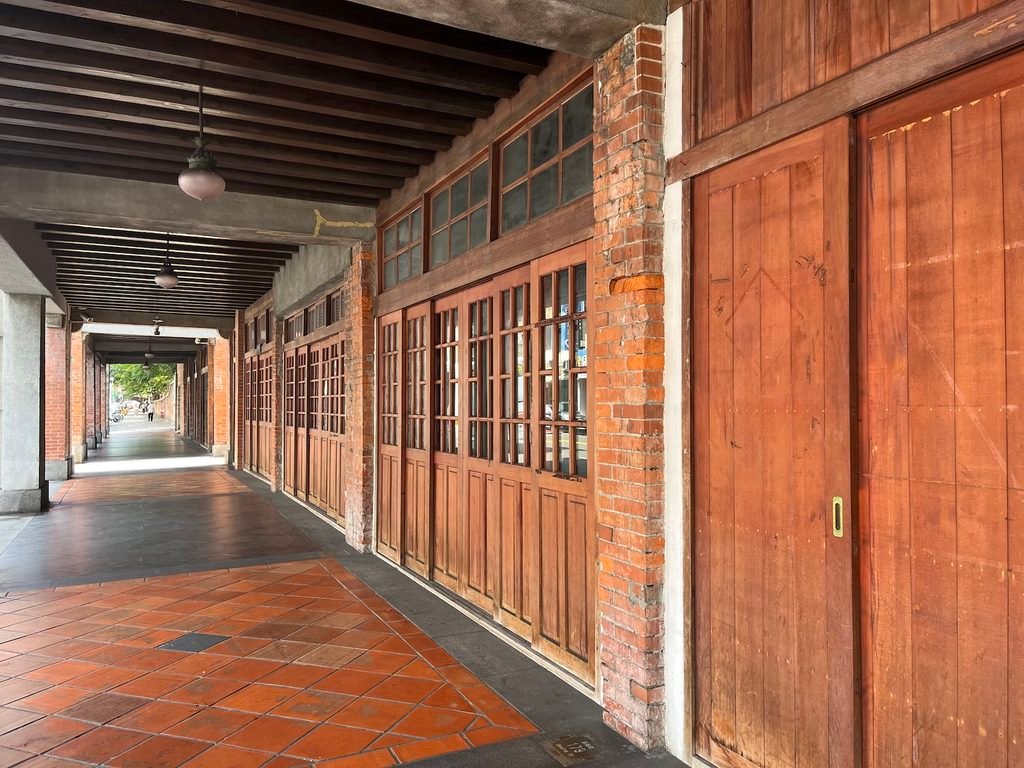
The name Bopiliao means “stripping bark.” Timber shipped over from mainland China was once collected and sold here, and local workers stripped the bark off the logs.
It used to be one of the main roads in the area, but during the Japanese era, Guangzhou Street became the new main road, and Bopiliao turned into a back alley. The city restored the street in two phases and finished in 2009.
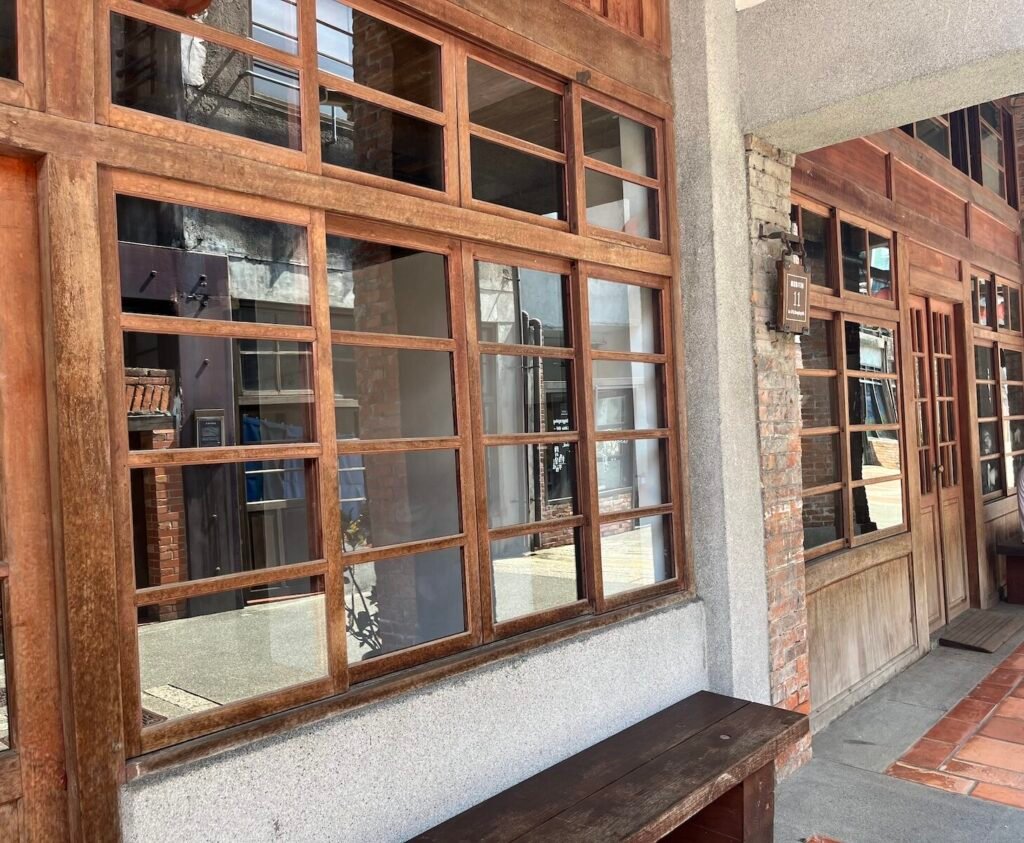
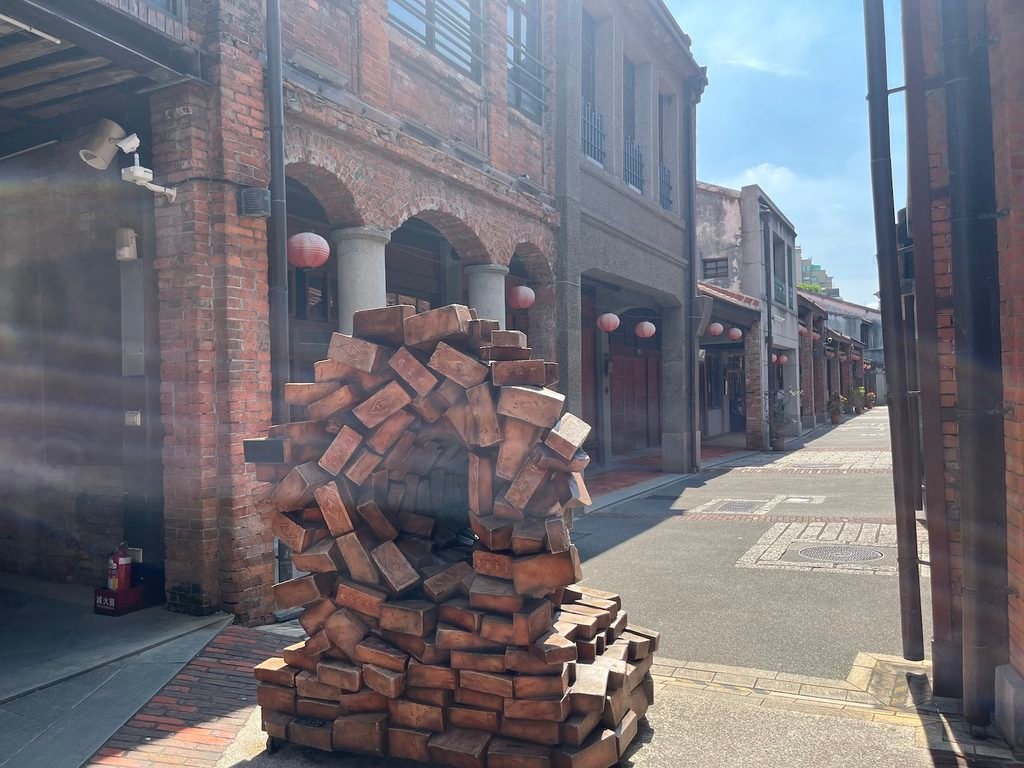
It was still early when I got there, so there weren’t many people around. I had the quiet street almost to myself and could take photos without crowds in the background.
I love the old buildings here, with their red brick and wooden doors under the arcades. If you like taking photos with a vintage feel, don’t miss it.
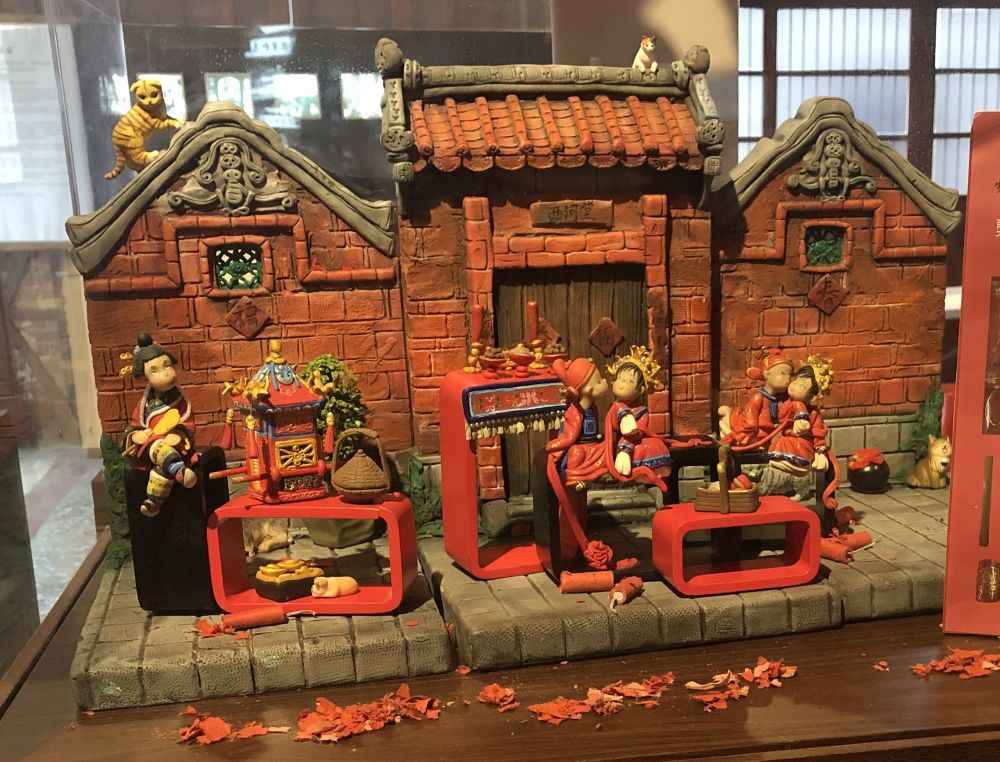
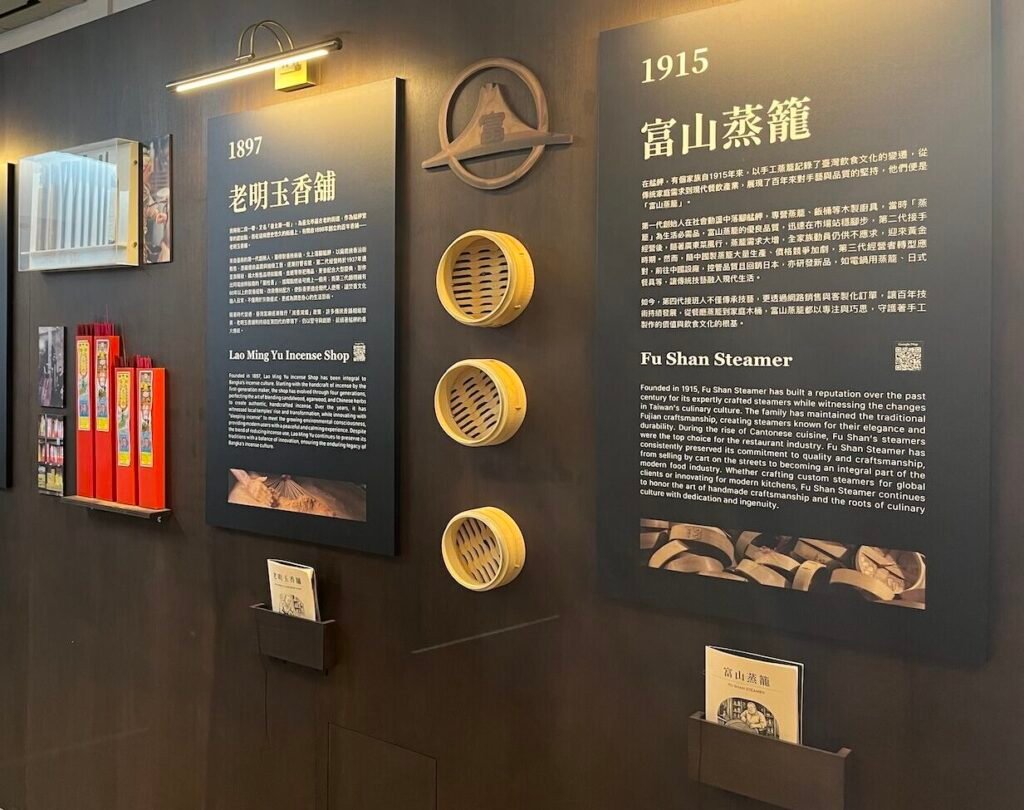
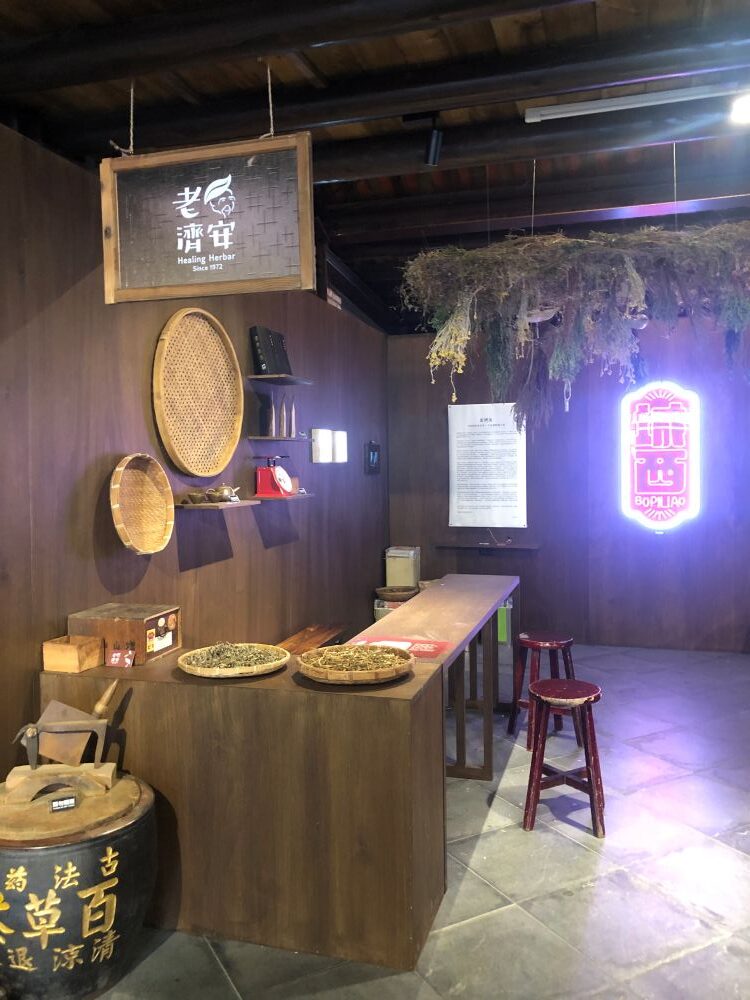
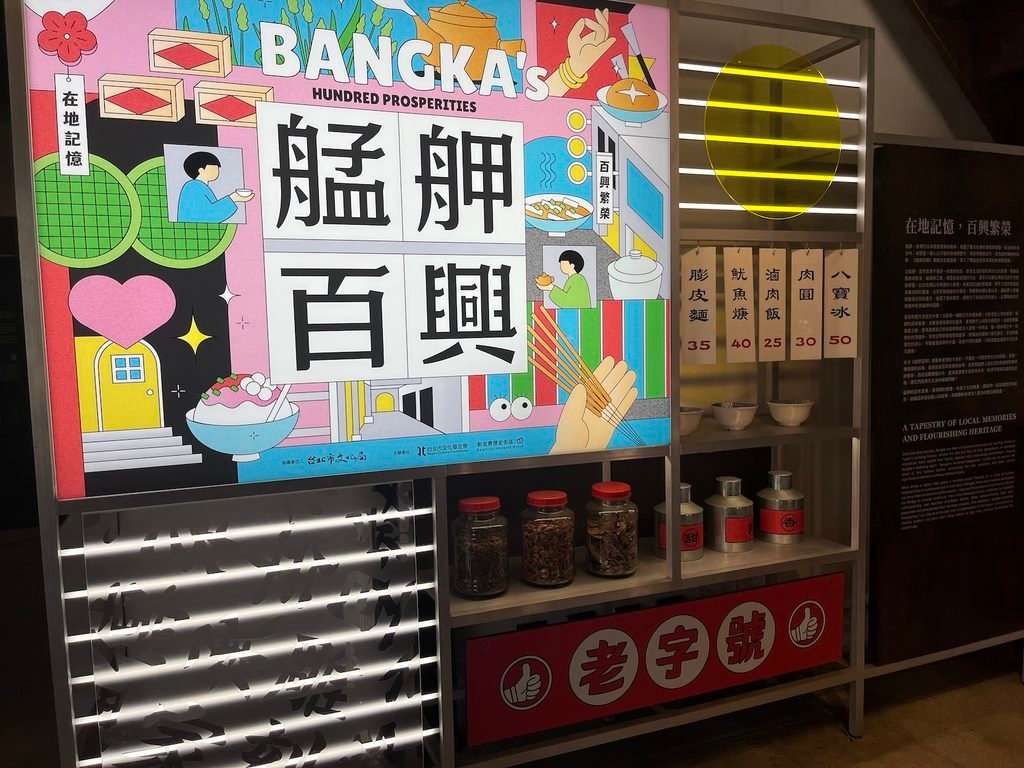
Some of the old houses are used for exhibitions, and they change throughout the year. Below are some photos of exhibitions I saw this time, as well as from my previous visit, about 7 years ago:
Browse the Stalls at Xinfu Market
Bopiliao shows you what this neighborhood used to look like. For a look at how people here live today, there’s a traditional market right next door.
When you come out of Bopiliao onto Kangding Road, there is an entrance that is just across Guangzhou Street.
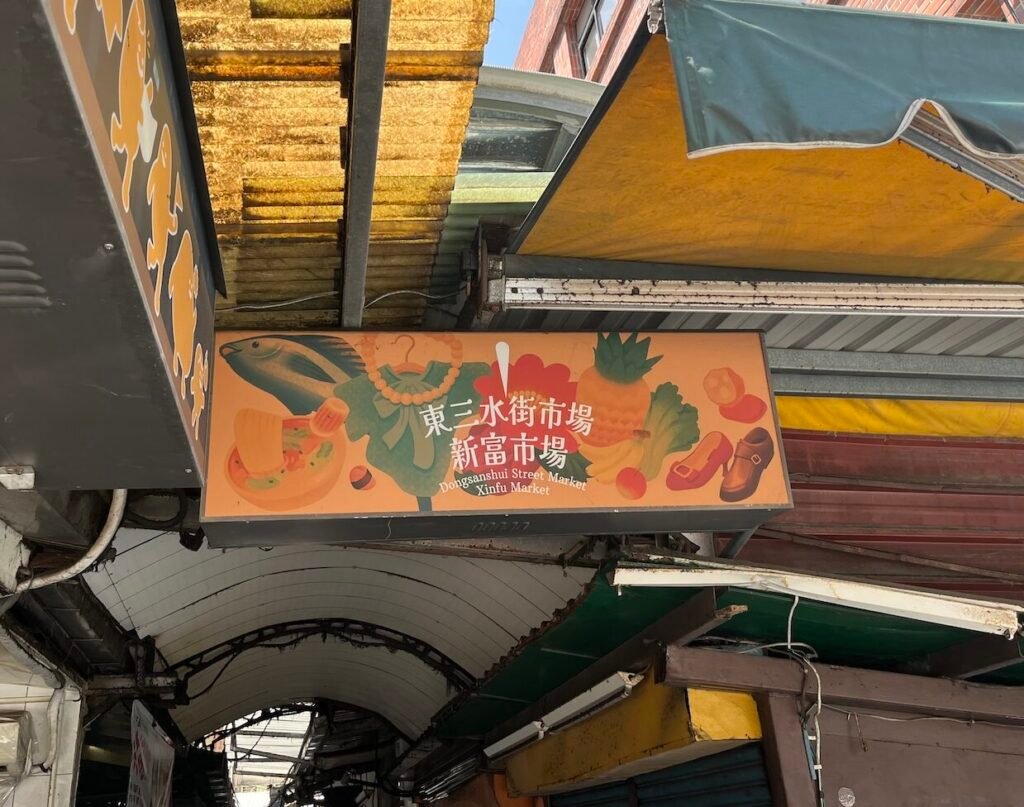
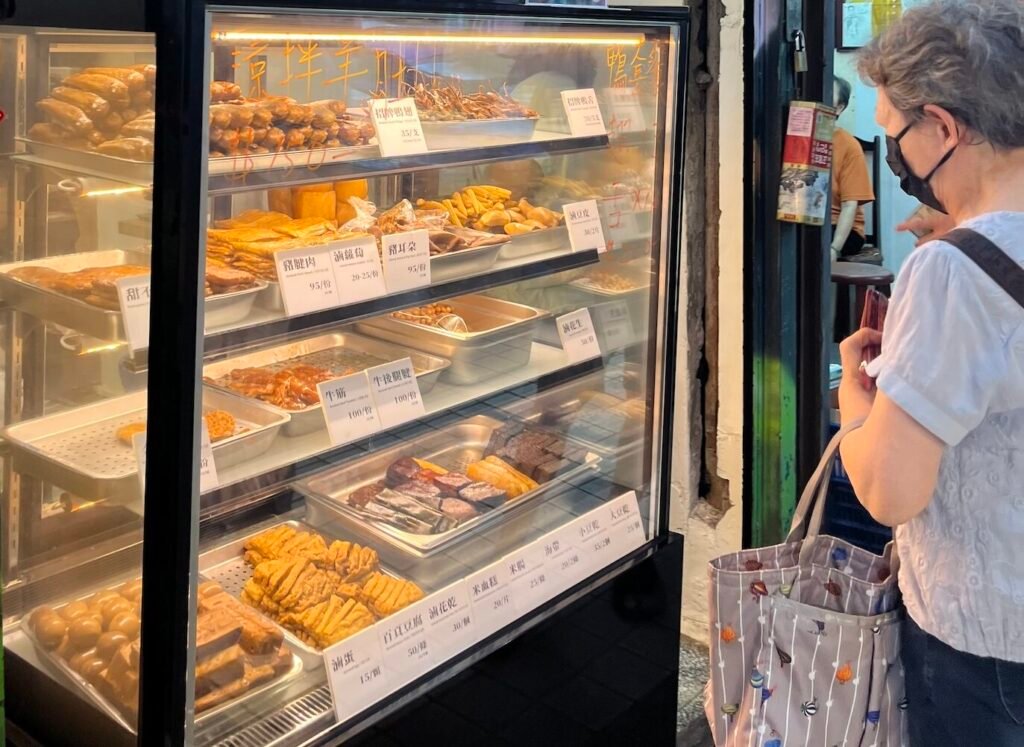
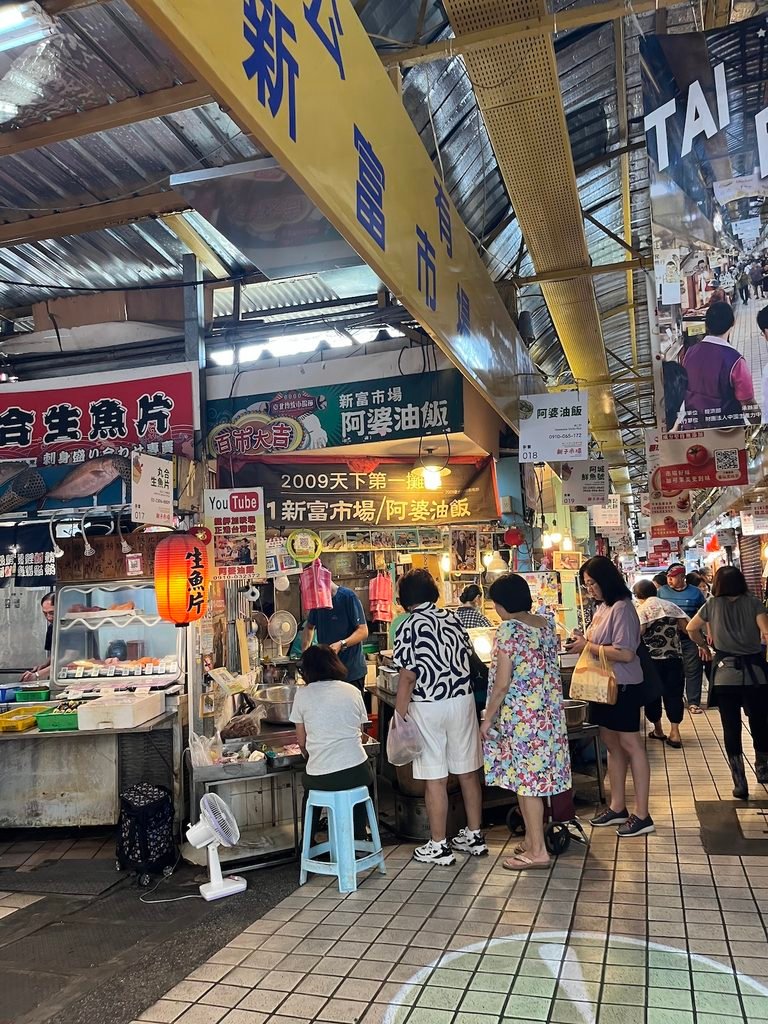
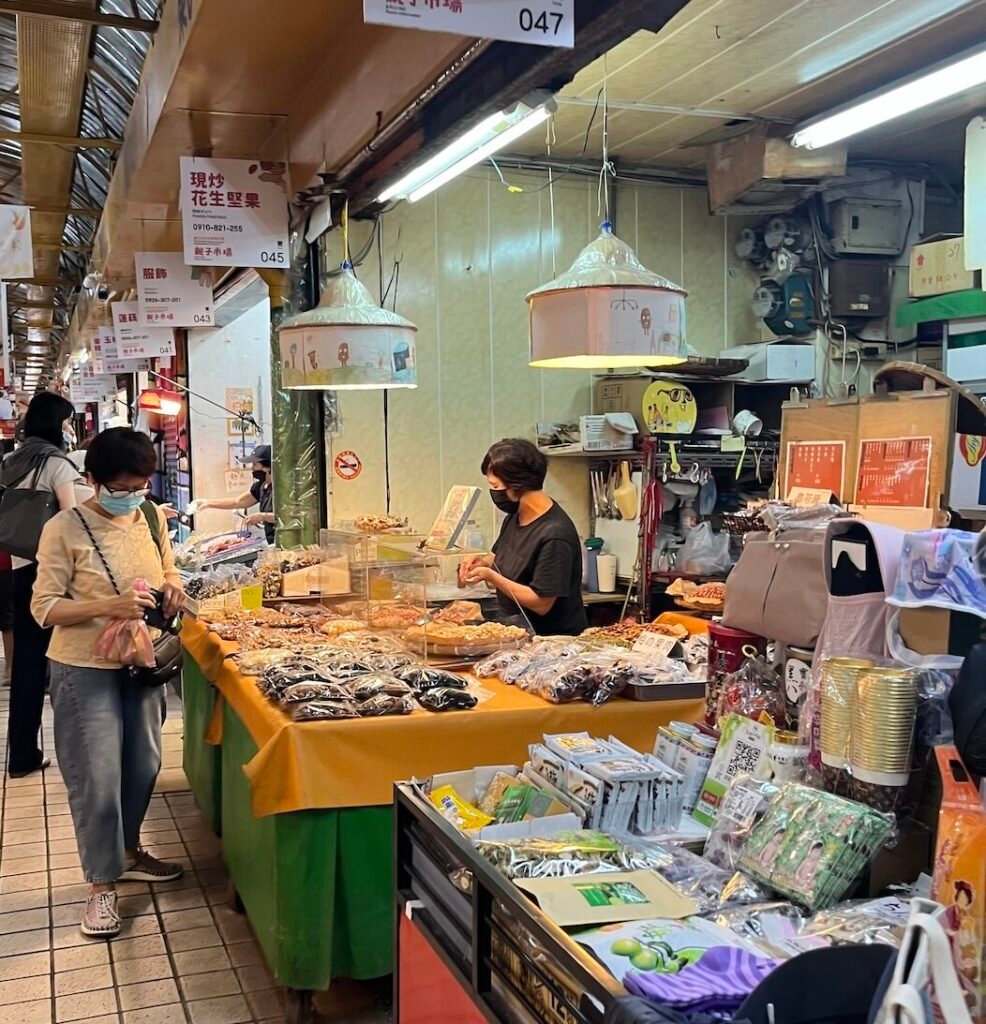
The market runs in one straight line, so there is no need to worry about getting lost. You’ll find fresh produce, meat, cooked food, snacks, and even clothes.
I got there around 10am, and it was already busy.
At times I had to squeeze past people, and a few people were riding bikes through the aisle, so it wasn’t the most comfortable place to stroll. But since I was only there to look around, not to shop for groceries, so I didn’t mind. I just enjoyed the local vibe.
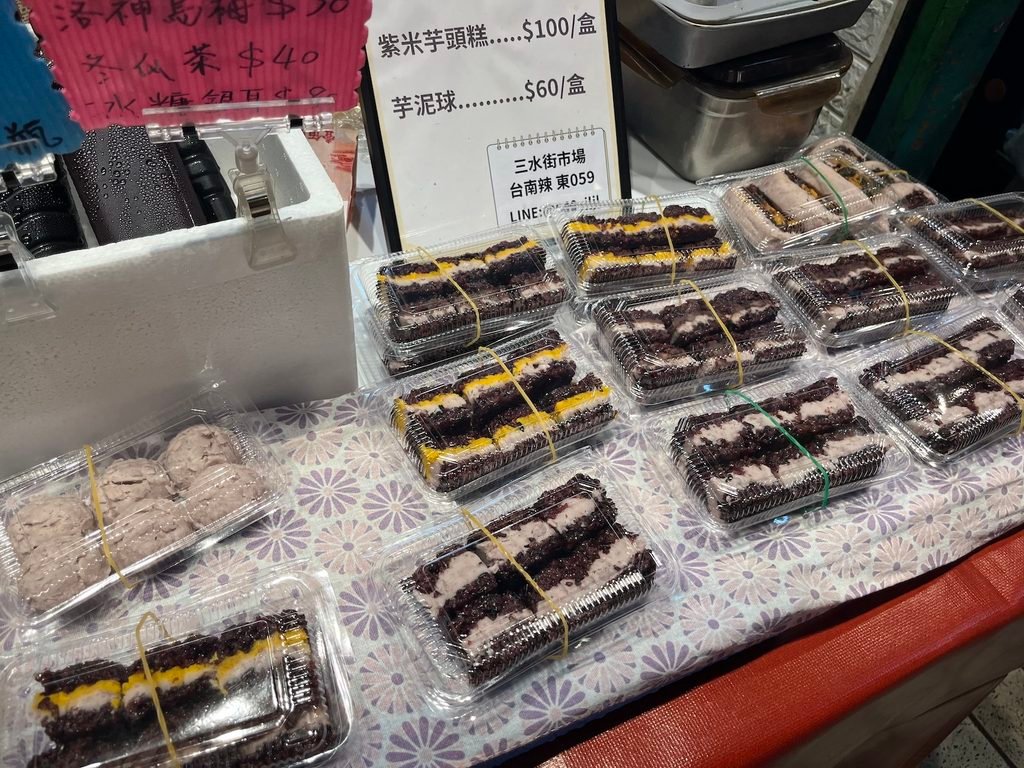
I had been walking for a while and got a little hungry, so I bought a red bean purple rice cake from one of the stalls. It’s a sweet cake made of purple sticky rice and red beans, and it was good as a snack.
Visit U-Mkt Building
About halfway down the market, there’s an entrance to U-mkt (新富町文化市場). This was the original Xinfu Market, built in 1935, and it’s now been restored as an exhibition space.
It’s called a market, but to me it felt more like an exhibition hall. There are displays about the market’s history and a café where you can sit down. If you’re short on time, you can skip it. But if you need a break from the crowds outside, or a restroom, it’s worth stepping in.
What to Eat Near Longshan Temple
On this visit, I didn’t sit down for a proper meal. I’d rather come with an empty stomach and snack my way through the market.
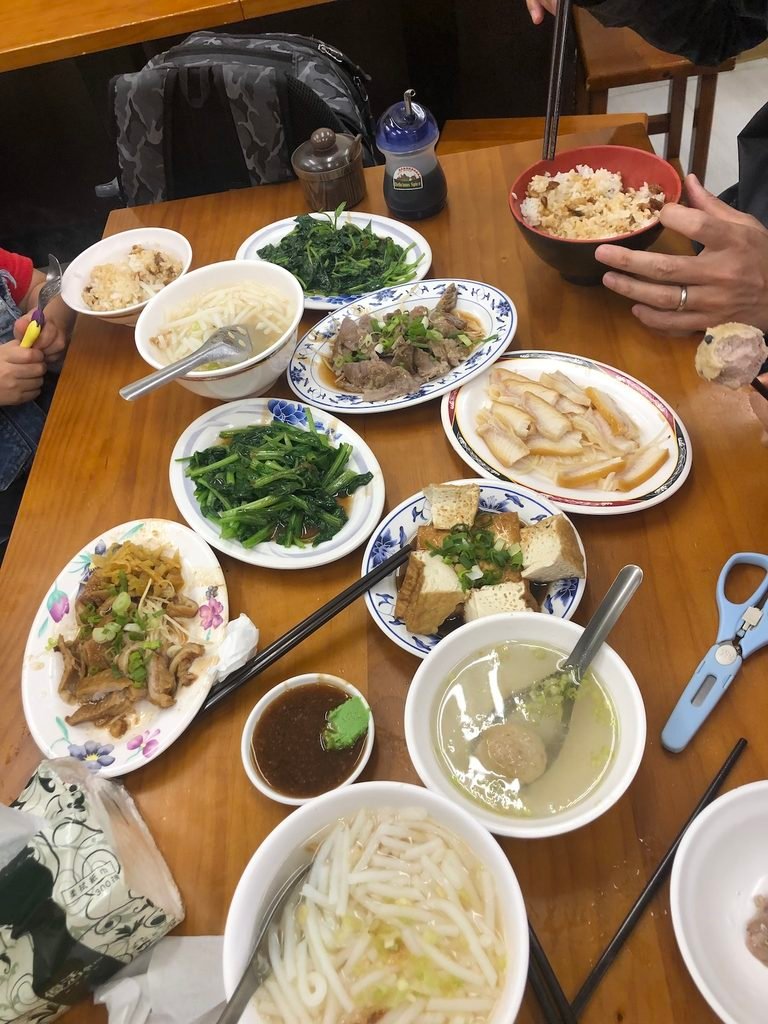
Years ago, I came to this area with friends and we ate pepper buns(福州元祖胡椒餅)located in a small alley, then went to a rice noodle restaurant.
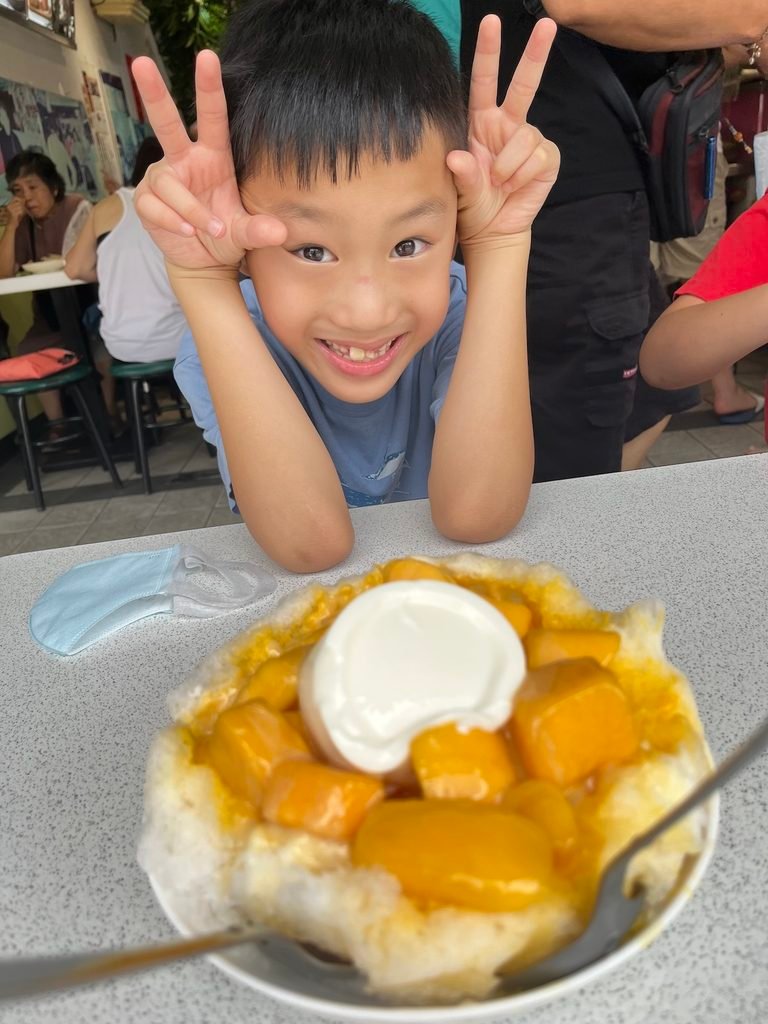
Lung Tu Shaved Ice (龍都冰菓專業家) is a well-known spot that started as a street stall in 1920, and I’ve been there many times. It’s one of our favorite places to go whenever we meet up with family friends who live nearby.
The photo below shows the mango shaved ice I shared with my son when we went in 2022.
Final Thoughts
Longshan Temple is what brings most people to this part of Taipei, but it’s worth staying a little longer.
Bopiliao shows you what Wanhua used to look like, and the market shows you how people here live today, all within a few minutes’ walk.
Just plan to go in the morning, and skip Mondays, when the market, U-mkt, and the indoor spaces at Bopiliao are all closed.