Is Rongjin Gorgeous Time Worth Visiting? Here’s What to Expect (榕錦時光)
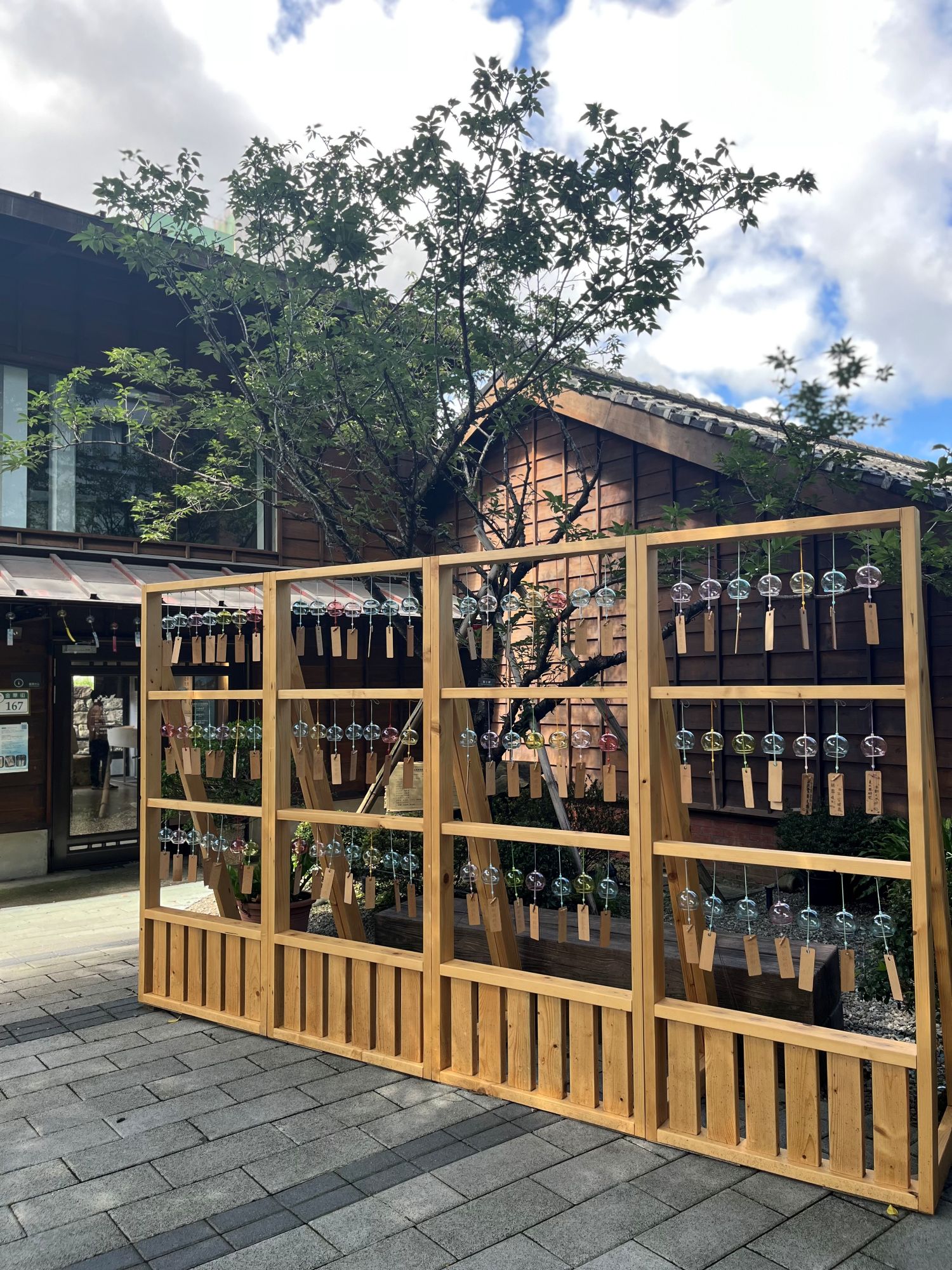
Rongjin Gorgeous Time in Taipei is a small cluster of restored Japanese-style houses with cafés, restaurants, and boutiques.
It sits at the southern end of Yongkang Street (永康街), which is one of the must-visit places in Taipei. You can visit both areas in one day: start with food and shopping on Yongkang, then walk over to Rongjin for a quiet break (and enjoy more food!).
I first visited Rongjin Gorgeous Time in the summer of 2025 with my best friend Vivian, and it quickly became one of my favorite places to spend a relaxing afternoon. I came back the following summer with another friend, Chynna, and we tried a different café that time.
Is Rongjin Gorgeous Time Worth Visiting?
Yes, but it helps to know what you are walking into.
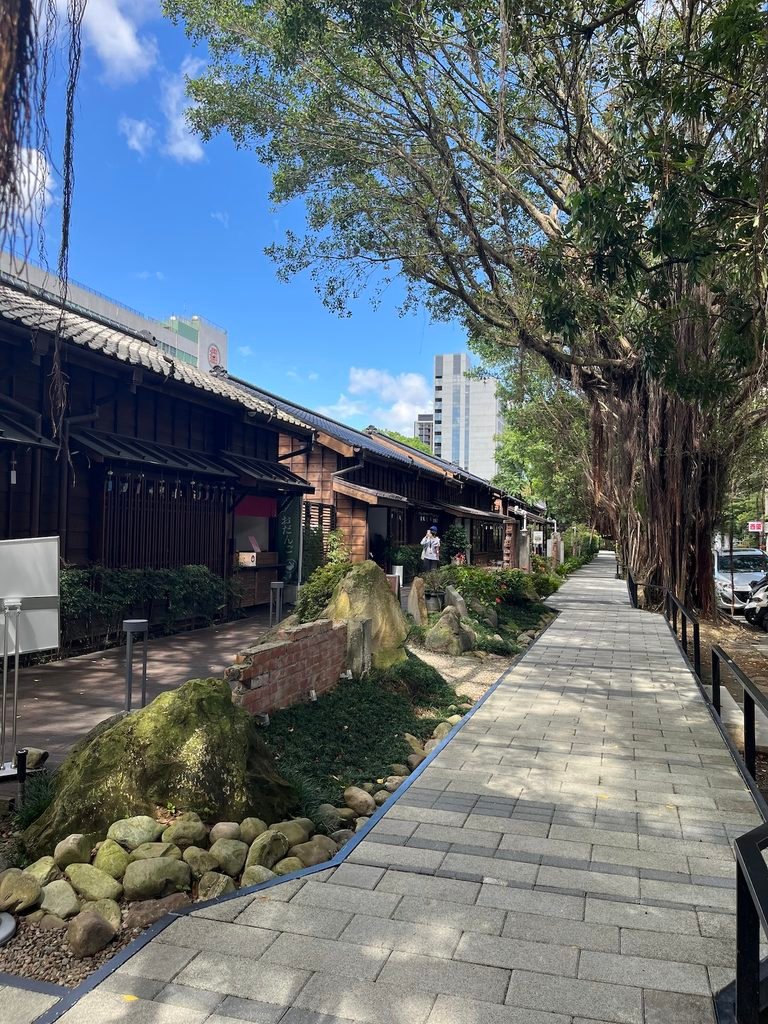
Rongjin is small. It is a cluster of restored wooden houses with courtyards and old banyan trees between them, and if you only walk through without stopping, you will be done in less than half an hour.
The point of coming here is to sit down somewhere and stay a while.
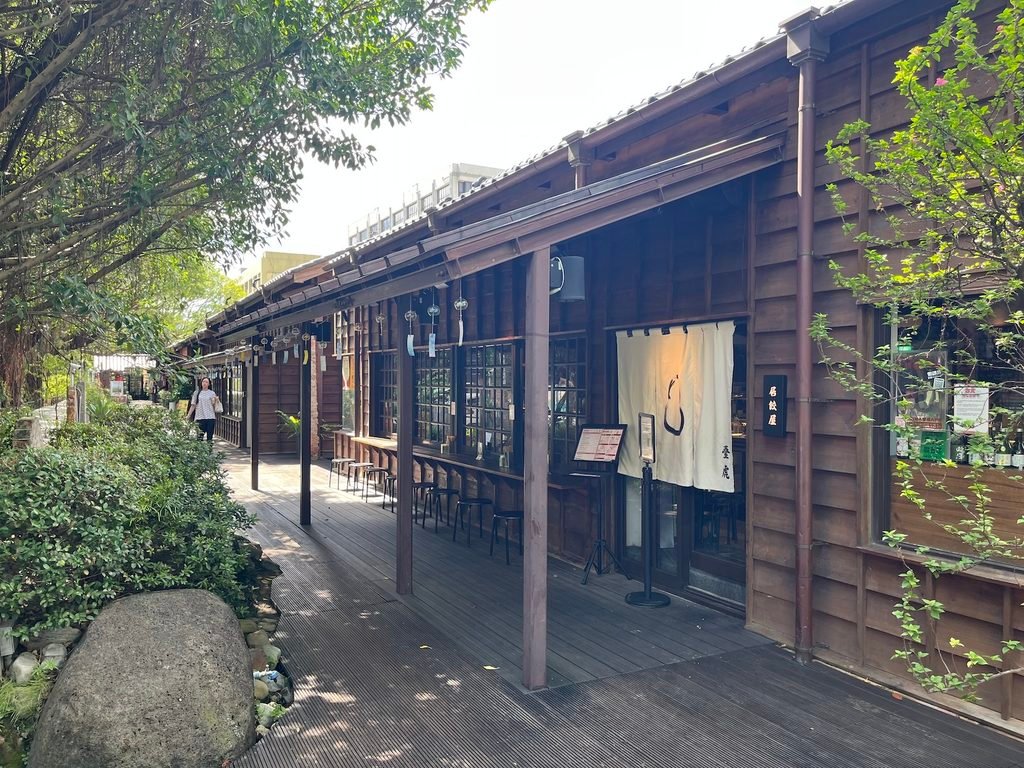
If you like taking photos, that is another reason to come. The old Japanese houses give the whole place a nostalgic feel, and the banyan trees are huge and old, so almost any corner works as a background.
Yongkang Street is ten minutes away and it is packed, but Rongjin stays quiet. Both times I went, on weekday afternoons, there were very few people around.
I would not make a separate trip for it. Pair it with Yongkang Street instead. Start at Dongmen MRT Station on Xinyi Road, walk south down Yongkang Street and take your time with the food and the shops, then turn right at Jinhua Street (金華街). Walk one block and Rongjin is right there.
One thing worth knowing: the shops here change. A few of the names that opened with the park in 2022 have already moved out, and on my most recent visit in 2026 I noticed some of the units were empty. If you are coming for one specific shop, check that it is still open before you go.
How To Get To Rongjin Gorgeous Time
See this place on Google Maps.
If you’re taking the MRT, ride the Red or Orange Line to Dongmen Station (R07 or O06). Exit from Exit 3, and it’s about a 10-minute walk from there.
If you’re already exploring Yongkang Street (永康街), just continue south toward Jinhua Street (金華街). Turn right when you reach Jinhua Street, and after a few minutes, you’ll see Rongjin Gorgeous Time right in front of you.
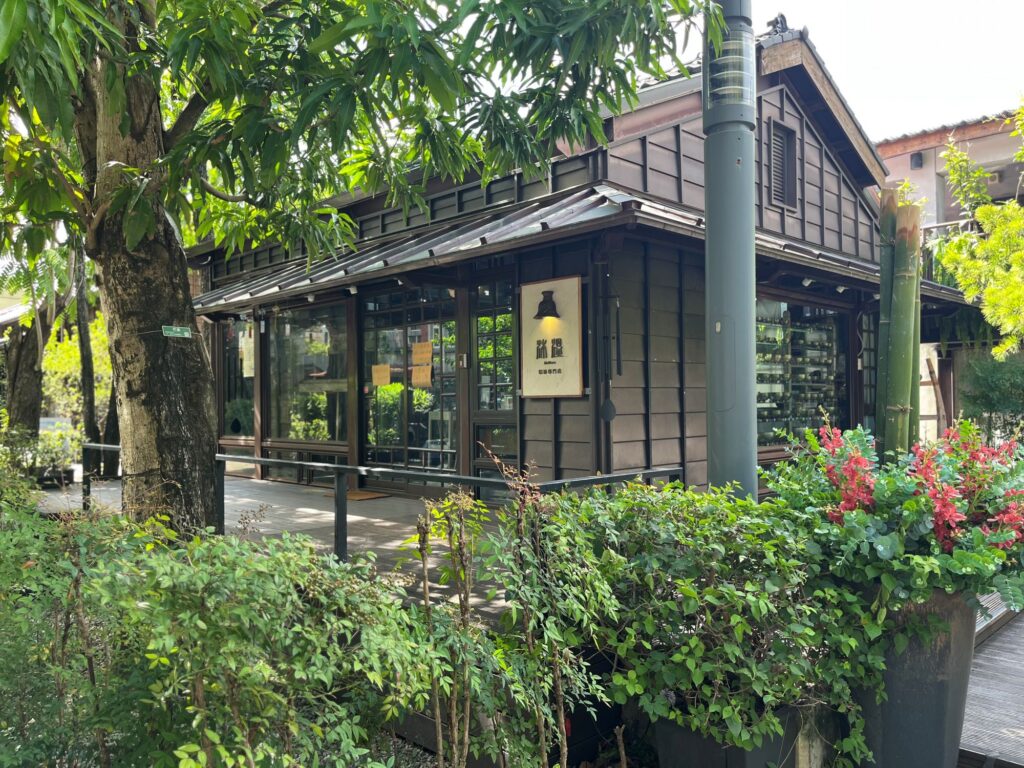
Things To Do At Rongjin
Rongjin Visitor Center
Start your visit here.
The Rongjin Visitor Center is a small, quiet space inside one of the wooden houses, and it gives you a quick picture of what you are looking at before you walk around.
Inside, you’ll see:
- A short timeline that explains how the area went from Taihoku Prison officials’ dormitories to the Huaguang Community and then to today’s garden-style park.
- Historic photos and before-and-after images of the buildings and courtyards.
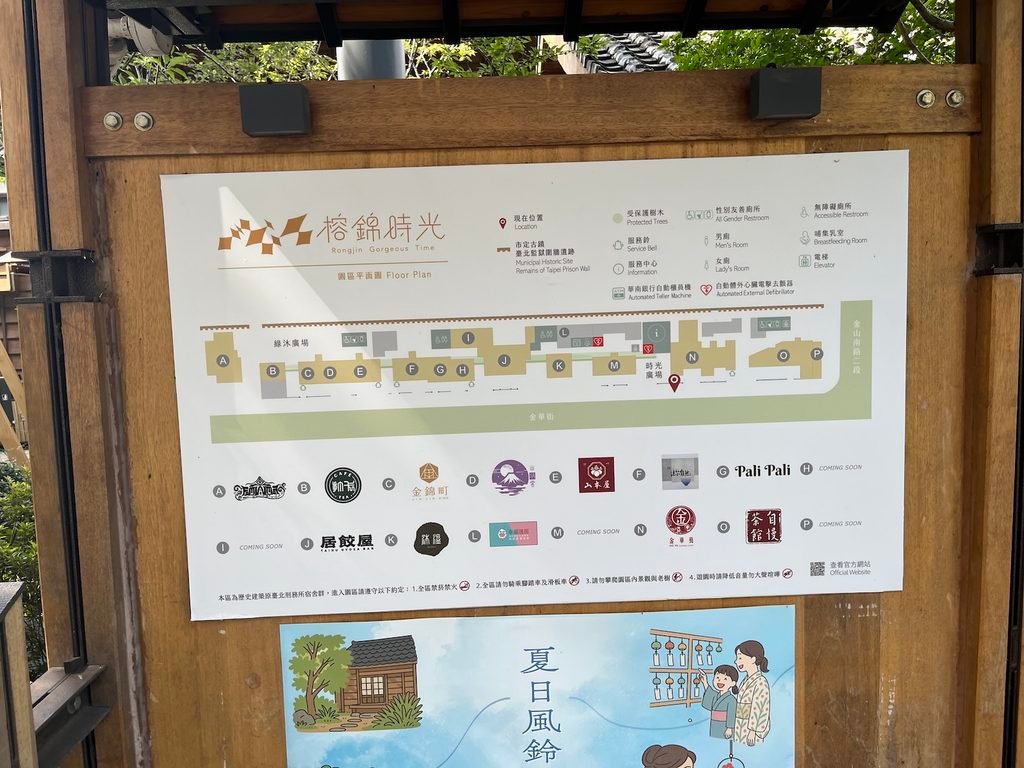
- A simple site map showing each house and what it’s used for now.
- Notes about the old banyan trees and why they are protected.
The trees are also where the name comes from. This neighborhood was called Jincho (錦町) during the Japanese period, and the park combines that 錦 with 榕, the character for banyan.
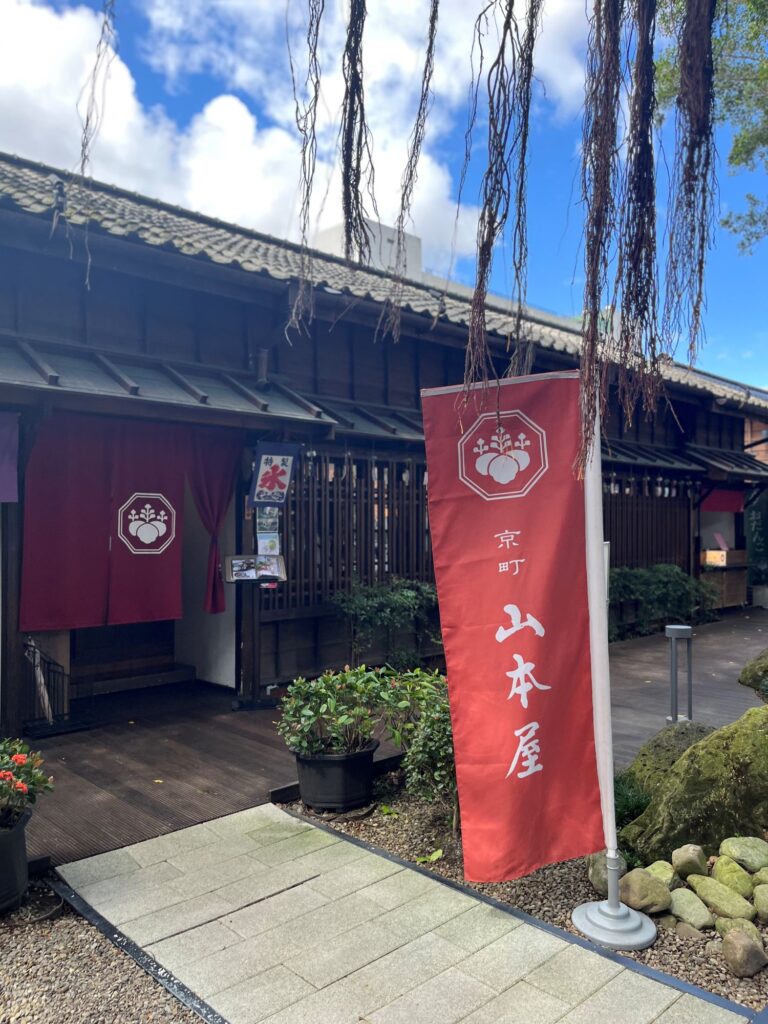
京町 山本屋 (Yamamotoya)
See this place on Google Maps.
I came here with my friend Vivian for afternoon tea in 2025, and we absolutely loved it!
We’d already had lunch, so we stopped by just for dessert, but the meal menu looked so good that we promised ourselves to come back next time.
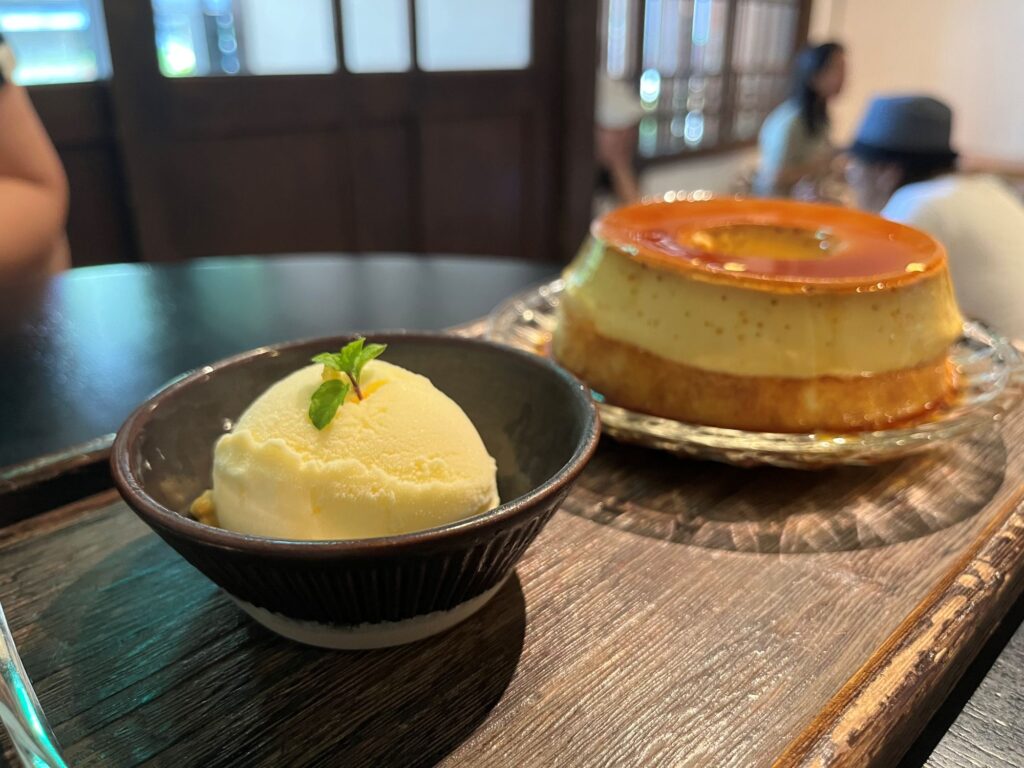
We shared a matcha set with traditional Japanese sweets, and that pudding cake (in the photo below) was massive and so good. It paired perfectly with the ice cream. Vivian ordered the matcha shaved ice with red beans, and of course, I forgot to take a picture.
Everything was beautifully presented, and the cozy wooden interior made us feel like we were sitting in a little teahouse in Kyoto.
You take your shoes off before going inside. There are both tatami rooms and regular tables, and the place is small. A lot of people online will tell you to reserve ahead. I went on a weekday afternoon without a reservation and had no trouble getting a table. Weekends are a different story, so book if that is when you are going. They are closed on Thursdays.
JinJinDing (金錦町)
See this place on Google Maps.
JinJinDing is a dessert house in a restored Japanese building, known mostly for its castella cakes. They also serve an afternoon tea set if you want a proper sit-down break.
I came here for afternoon tea in summer 2026 with my friend Chynna. We got a corner table by the window looking out at their back garden. No traffic goes past that side, so it was quiet. That afternoon there were almost no other customers, so we had the place to ourselves and talked for a long time.
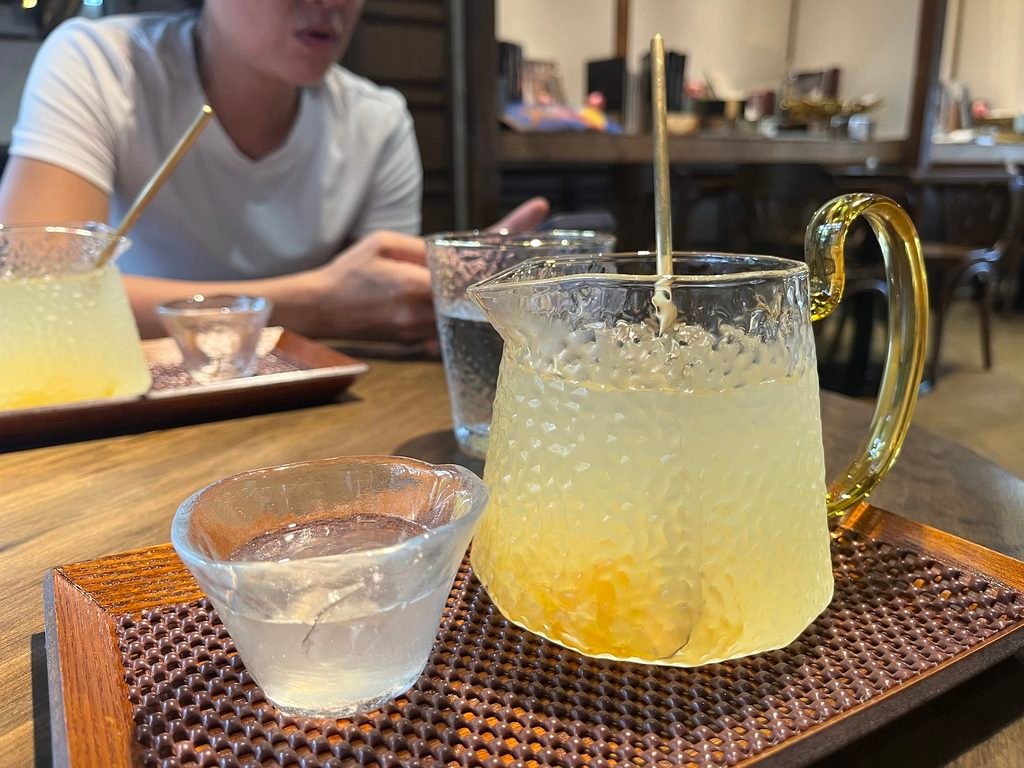
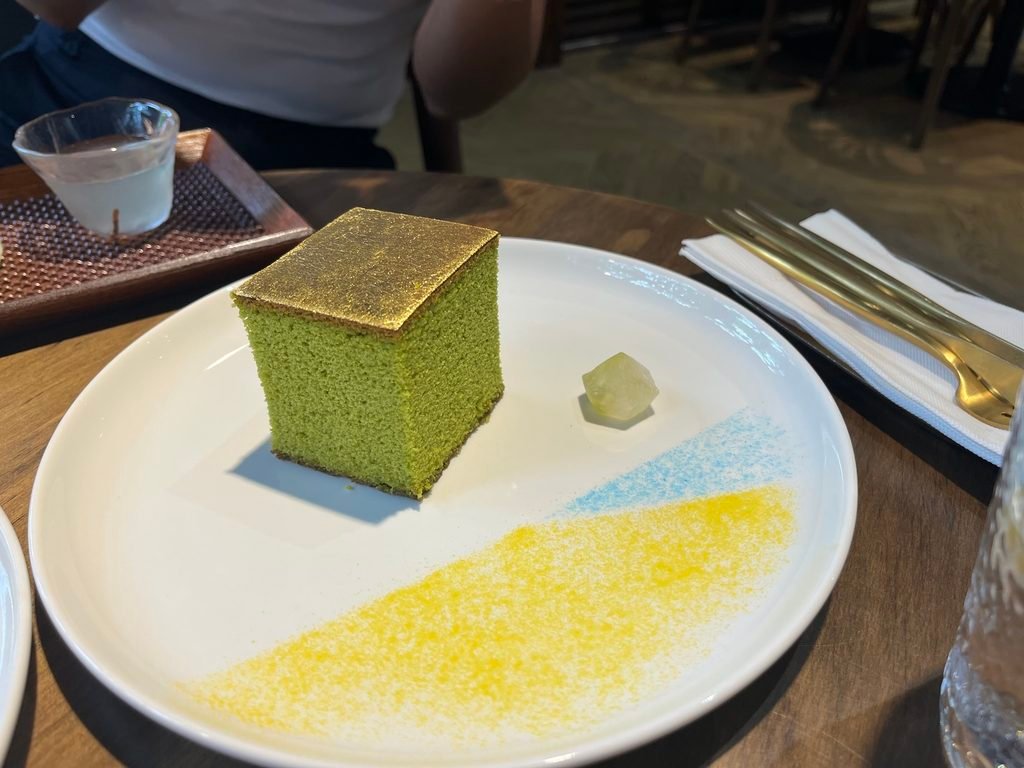
I ordered their honey castella cake, which is the item they are best known for, and had it with yuzu tea. The cakes come in other flavors too.
They also sell cookies and pineapple cakes, and the packaging is nice enough that these work well as gifts to bring home.
Taihu Gyoza Bar (台虎居餃屋)
See this place on Google Maps.
Taihu Brewing is a Taiwanese craft beer brand, and this is their izakaya-style spot at Rongjin, built around one idea: dumplings with beer. It is the most casual option in the park and the only one that stays open into the evening.
Note that they do not open until 4pm from Monday to Wednesday, so it is not an option if you are only here in the early afternoon.
Renting a Kimono
There is a kimono rental studio inside the park called Hanafatei (花筏亭), and this is one of the more popular things people come here to do. You can rent a yukata or a full kimono, and they handle the dressing and hair styling. The wooden corridors, the gravel paths, and the old banyan trees make the backdrops, so you do not have to go anywhere else for photos.
I have not done this myself, but if you are interested, book ahead rather than walking in.
This Was Once a Prison Neighborhood
Something to think about while you eat your castella cake: the house you are sitting in was built for prison staff.
Taiwan was under Japanese rule from 1895 to 1945, and during those fifty years the Japanese government built railways, schools, and whole neighborhoods across the island. One of the things they built here was Taihoku Prison, the largest in Taiwan at the time. The wooden dormitories they put up next to it, in the early 1900s, are the buildings you are walking through now.
The prison is gone. The housing survived.
After the war people kept living in these houses, and the area grew into a crowded neighborhood called Huaguang Community. By the 1990s much of it was falling apart. The community was eventually cleared, and the city restored what was left, kept the century-old banyan trees, and reopened the site in 2022 as Rongjin Gorgeous Time (榕錦時光生活園區).
So the quiet here is fairly new.
If you want to know more, read the outdoor panels or stop by the visitor center. For more places like this, see my post on 12 Best Places to Learn About Taiwan’s History in Taipei.
Final Thoughts
Yongkang Street is ten minutes away and it is packed. Rongjin is not. Both times I went, on weekday afternoons, there were very few people around, and I ended up staying for most of the afternoon, catching up with friends.
If you like taking photos, that is another reason to come. The old Japanese houses have a nostalgic feel, and the banyan trees are huge and old, so almost any corner works as a background.
Save it for the part of the day when you want to sit down.